

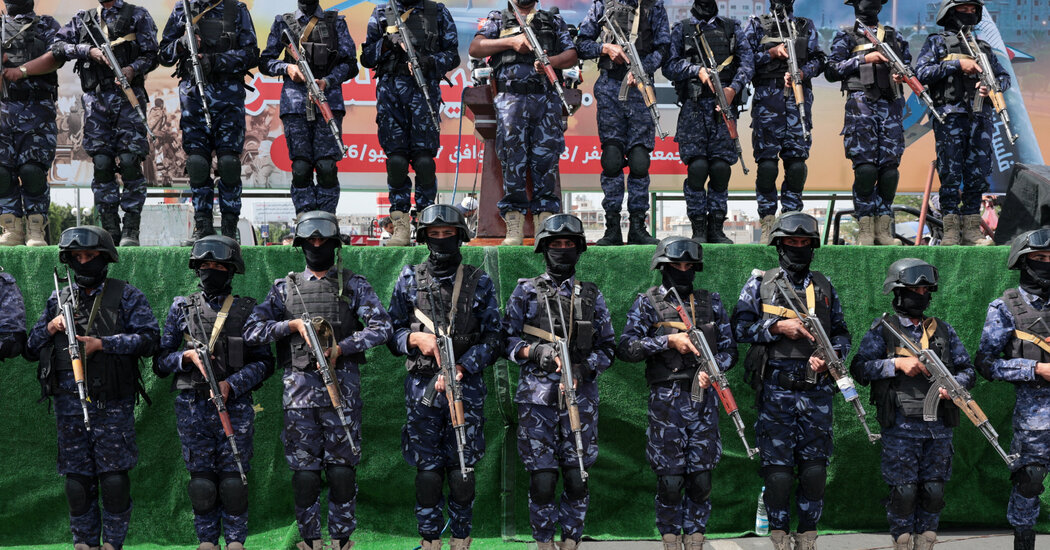
Saudi Arabia vowed on Tuesday to retaliate against Yemen’s Houthi militia after attacks by the group injured 73 civilians in the south of the kingdom, according to Saudi authorities.
It is not clear when the Houthi attacks on Saudi Arabia occurred. The Saudi foreign ministry said that the attacks had injured people in four southern regions, without specifying when they happened.
In a statement on Tuesday, the spokesman for a Saudi-led military coalition in Yemen, Major General Turki Al-Maliki, called the Houthi attacks “a dangerous escalation” and said the coalition would take “all necessary measures and actions to respond to the sources of the threat.”
His pledge brought Saudi Arabia a step closer to full-blown war with the Houthi militia, which is backed by Iran, after weeks of escalating tensions. In July, the militia announced a blockade of Saudi Arabia in the Red Sea, and has since launched several attacks on Saudi ships in the region.
In recent days, there has also been intense fighting between the Houthis and the internationally-recognized government of Yemen, which is backed by Saudi Arabia.
The two sides have been at war since 2014, when the Houthis seized Yemen’s capital, Sanaa. Soon after, a Saudi-led military coalition intervened to restore the government, plunging the impoverished nation into a devastating war that has lasted more than a decade.
The recent flare-up in the conflict, which had quieted after a truce in 2022, has further threatened the stability of the Middle East, with no visible signs of progress toward ending the broader six-month war between the United States and Iran.
On Tuesday, a Houthi military spokesman, Yahya Saree, said that the militia’s recent attacks in Saudi Arabia were retaliatory. He accused the kingdom of launching 121 airstrikes in Yemen over the past three days, including one that he said struck a prison, burying inmates under the rubble.
Saudi Arabia has not addressed those claims. The Yemeni government appeared to assume responsibility for at least some of the airstrikes, saying on Monday that its warplanes had struck Houthi military reinforcements in the west of the country.
The Saudi energy ministry said in a statement on social media that attacks on Tuesday morning on energy facilities in the south of the country had caused fires at some locations, and temporarily disrupted operations. The ministry did not say who carried out those attacks.
Fighting in Yemen intensified last week as the Houthis tried to capture territory that could give them more control over shipping routes through the Red Sea, according to local security officials.
Volatility has plagued global energy markets since the United States and Israel launched their war on Iran in late February, prompting the effective closure of the Strait of Hormuz to most shipping. The Houthi threat to vessels transiting through the Red Sea, another major shipping lane, has added to concern about global energy supplies.
On Tuesday, following the latest Houthi attacks on Saudi Arabia, the price of Brent crude oil — the international benchmark — rose 2 percent to $99 a barrel, the highest since late July.
Ismaeel Naar contributed reporting from Dubai, United Arab Emirates.
