

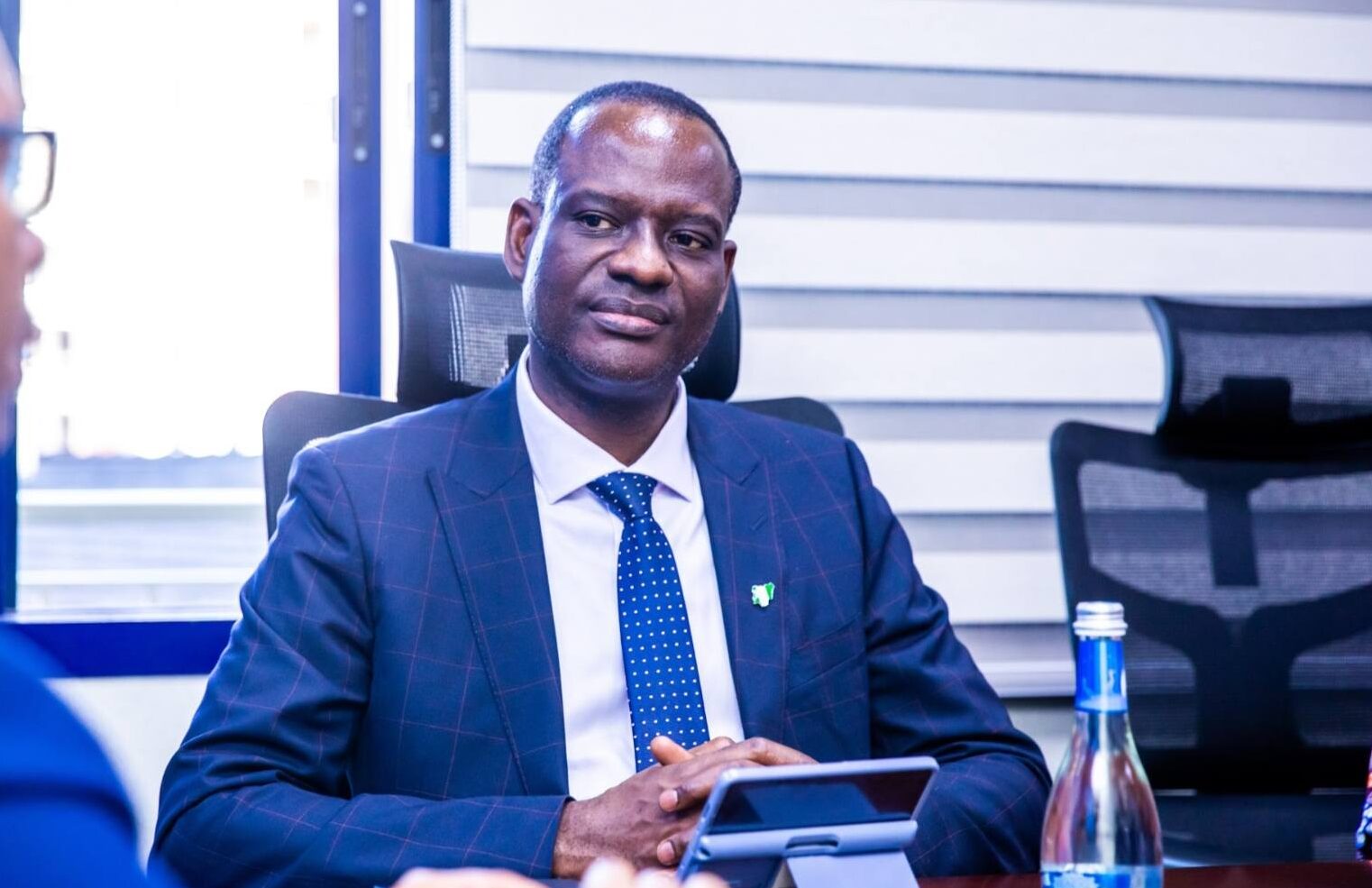
The Minister of Finance and Coordinating Minister of the Economy, Taiwo Oyedele, has said the discount on petrol to be sold at Nigerian National Petroleum Company (NNPC) Retail stations is a commercial decision by the retailer and does not amount to a return of fuel subsidy.
In a statement issued on Friday, Mr Oyedele said the discount was being funded by NNPC Retail through a reduction in its retail profit margin, rather than from the Federal Government’s budget or the Federation Account.
He said the arrangement was intended to offer some relief to motorists without reversing the removal of petrol subsidy in May 2023.
“A margin discount means the retailer chooses to take a smaller margin, or no margin at all for a period, and passes the saving to the customer. The cost of the discount is borne by the retailer alone,” he said.
The clarification comes a day after the Federal Government announced a 30-day discount on petrol sold at NNPC stations, with public transport operators expected to receive priority under the arrangement.
PREMIUM TIMES earlier reported that Mr Oyedele warned that restoring fuel subsidy could cost Nigeria more than N20 trillion annually and put additional pressure on government finances, the naira and petrol prices.

How the discount works
Mr Oyedele explained that NNPC Retail buys petrol from the Dangote Refinery and other suppliers at market prices before adding its retail margin to determine the pump price.
Under the discount arrangement, the company reduces or temporarily gives up part of that margin, allowing it to sell petrol at a lower price without the government paying the difference.
He distinguished this from the former subsidy system, under which public revenue was used to cover part of the cost of petrol.
The minister said selling crude oil owned by the Federation below market prices would be different because the resulting shortfall would ultimately be borne by public revenue.
He also argued that the discount could benefit NNPC Retail commercially if lower prices attracted more customers and increased sales volumes.
According to him, higher sales could offset the reduced margin per litre and potentially support the company’s profits and dividend payments to the Federation.
READ ALSO: NNPC filling stations to sell petrol at landing cost to cushion global oil price shocks — Presidency
Government defends targeted relief
Mr Oyedele said the discount was part of broader measures to reduce the pressure of high fuel prices on households and businesses without restoring a blanket subsidy.
Other measures announced by the government include a proposed ceiling of N1,350 per litre on the ex-gantry or landing cost of petrol, expanded compressed natural gas deployment, additional support for vulnerable households and subsidised credit for small businesses and consumers.
The government is also considering an excess-profit tax on operators found to be taking undue advantage of consumers during the energy crisis. Mr Oyedele said proceeds would be directed towards measures to cushion the impact of fuel prices on vulnerable people.
The minister said the NNPC Retail discount was unlikely to create the same incentive for cross-border fuel smuggling associated with previous subsidy arrangements. He argued that retail margins account for less than five per cent of the pump price, limiting the extent to which the discount could widen the price gap between Nigeria and neighbouring countries.
He acknowledged that fuel prices remained a burden on households and businesses but maintained that targeted interventions were preferable to a return to a subsidy system that the government says it can no longer afford.
The new clarification comes amid continued public debate over the rising cost of petrol and calls for the government to do more to ease the impact on transport costs and household spending.
Discover more from Premium Times Nigeria
Subscribe to get the latest posts sent to your email.
