

America @ 250
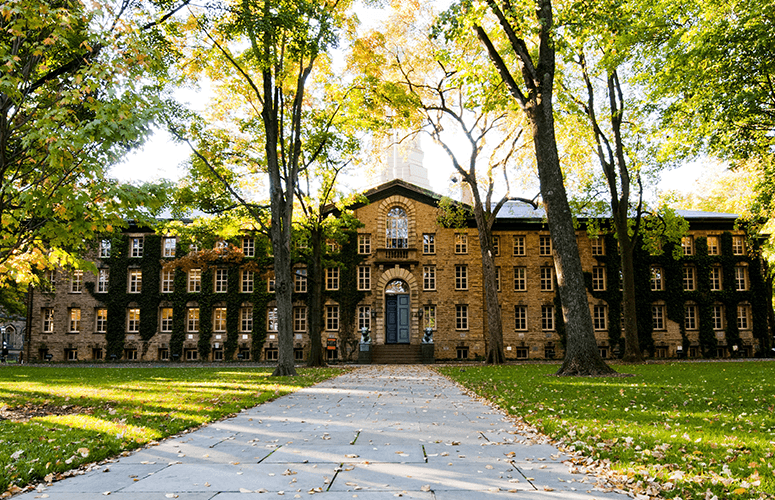
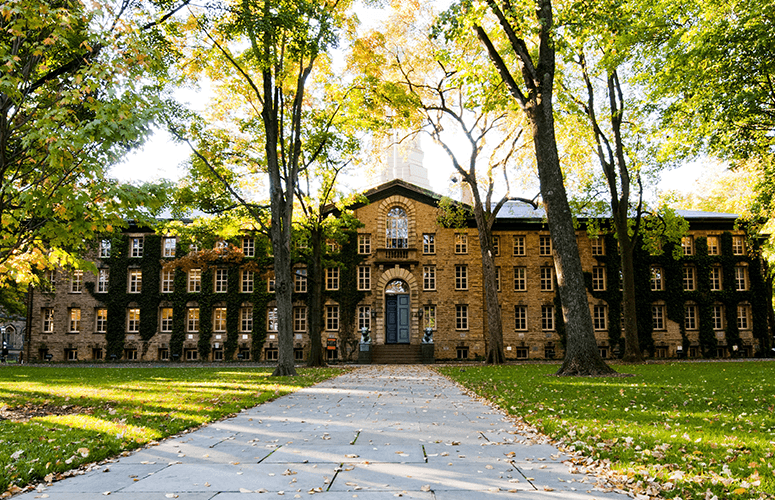
When delegates gathered in Philadelphia in 1776 to declare independence, two of the nine colleges in colonial America already called New Jersey home.
By MARGO CHALY, ESQ, ACTING SECRETARY OF HIGHER EDUCATION On Jul 13, 2026
Founded in 1746, Princeton University shaped thinkers who would define the character of our nation. Rutgers University continued this tradition from 1766 on, transforming into our flagship public research institution. New Jersey was not simply present at the birth of American higher education; it helped define its direction.
Two hundred and fifty years later, that legacy extends to 86 colleges and universities serving 430,000 undergraduate and 81,000 graduate students as of the 2024-25 academic year. New Jersey offers plenty of options where students can find their fit. Across our history, a clear pattern emerges: higher education in New Jersey evolves constantly to create access to economic opportunity – from one generation to the next.
From Access for the Few to Opportunity for the Many
Following World War II, the federal G.I. Bill of Rights of 1944 and the Higher Education Act of 1965 fueled a dramatic rise in college enrollment. This marks the most transformative chapter in New Jersey’s higher education history. Once reserved for a narrow segment of society, a college education became accessible to a growing American middle class.
With the new demand for college access, institutions in the state expanded, new campuses opened, our network of county colleges formed, and mission-driven programs took shape. Among the most consequential and long-lasting acts was the creation of the Educational Opportunity Fund in 1968. Still today, EOF pairs financial support with academic and social resources to empower students from low-income and predominantly first-generation college-going backgrounds to succeed.
To further invest in students, the state launched financial aid programs to make college more affordable. One of the most generous need-based financial aid programs in the country, the Tuition Aid Grant (TAG) currently serves nearly 85,000 students, representing one-third of all New Jersey residents attending undergraduate programs full-time in our state. From the merit-based New Jersey Student Tuition Assistance Reward Scholarship (NJ STARS) to the need-based Community College Opportunity Grant, both of which provide free tuition at local community colleges, state financial aid programs put a postsecondary education within reach for thousands of residents.
At the same time, higher education evolved alongside the economy. Institutions that once focused primarily on teacher preparation broadened their offerings to include business, healthcare, technology and the arts. By the 1970s, the foundation of today’s higher education ecosystem was largely in place, built on a belief that expanding access strengthens both the workforce and the fabric of society.
Meeting the Demands of a Changing World
Today, a college degree is one of the biggest investments many students and families will make.
In New Jersey, specifically, associate and bachelor’s degree holders continue to earn significantly more over their lifetimes than those with a high school diploma as their highest credential. The challenge is this: Students are making decisions in a labor market reshaped by rapid technological change and the rise of artificial intelligence. Employers are seeking not just degrees, but the skills, adaptability and critical thinking necessary to move at the pace of our fast-evolving economy.
For our colleges and universities, this moment demands a more intentional alignment between student expectations and workforce needs. It requires clear pathways from education to careers, stronger partnerships between institutions and industry, and a commitment to transparency and outcomes so students can make informed choices.
In New Jersey, the Office of the Secretary of Higher Education, alongside partner agencies such as the Higher Education Student Assistance Authority, seeks to accelerate our momentum. The goal is not just to enroll students, but to expand experiential learning, strengthen ties with employers, and focus on developing skilled talent for high-demand fields and emerging industries.
Carrying the Legacy Forward
As we mark America’s 250th anniversary, New Jersey’s higher education system stands as both a reflection of our past and a blueprint for our future.
We must ensure that the principles shaping New Jersey and our nation’s founding continue to guide us. When education opens doors, opportunity expands and with it the strength of our economy and communities.
To access more business news, visit NJB News Now
Related Articles:
