

This is the third murder of either a sitting or former MP that I’ve covered in the last 10 years. It doesn’t get any easier or less shocking. Every death diminishes us all. The least you would hope is for politicians to behave with dignity. To set an example. For those who knew Ann Widdecombe to express their personal loss, for party leaders and ministers to convey the horror of her death and offer their condolences to her family and friends. Probably best for everyone else to say as little as possible for now.
The police have asked for everyone to refrain from speculating about the motives of the suspect, as of Monday lunchtime being questioned by counter-terrorism officers, and not to politicise the murder if at all possible. A time for our political class to behave like grownups. And the overwhelming majority have done that. Just for now, even Nigel Farage has stopped acting as if he was the detective leading the investigation by offering his insights to every passing TV crew and has fallen silent.
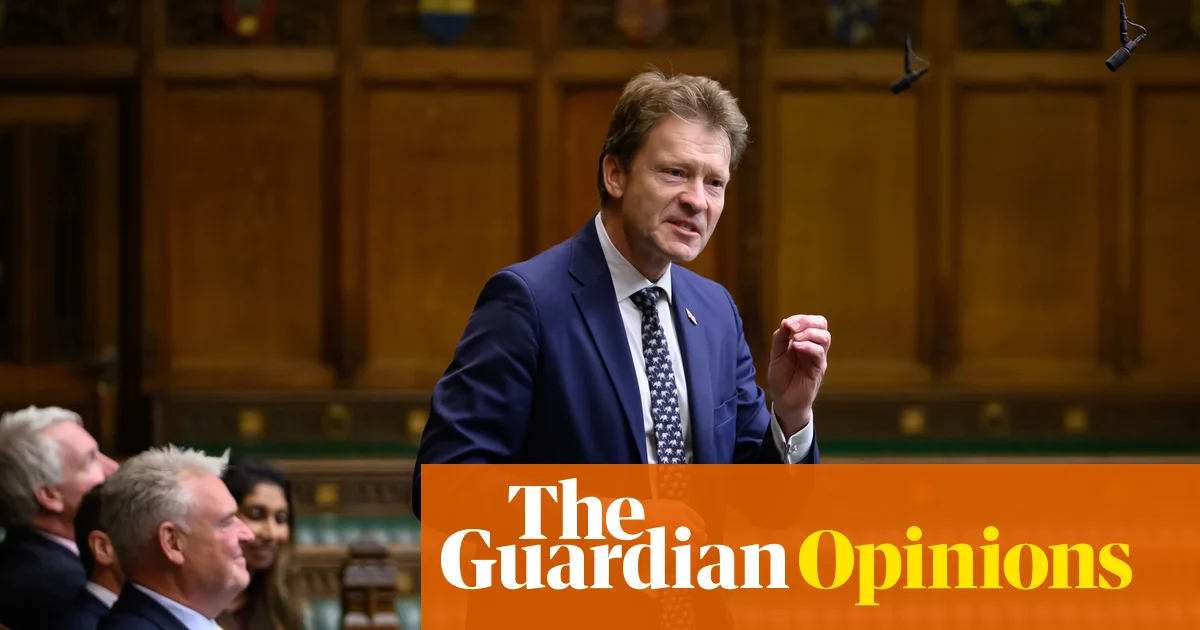
But there are a couple of Reform politicians who maybe haven’t quite got the message. Or understood the idea that they could be actively jeopardising an ongoing police enquiry. First thing on Monday morning, Richard Tice launched a strange attack on the Times, calling their journalists sick for reporting that Farage had been accused of using Widdecombe’s murder as propaganda, and insisting they wanted more Reform MPs to be killed.
Zia Yusuf meanwhile was posting on social media that the Commons speaker and the government had deliberately tried to limit the security available to Reform MPs. And when Lindsay Hoyle denied this in a briefing to the media, Yusuf merely doubled down. The speaker was a disgrace and attempts to close down speculation were all about preserving an establishment narrative. Zia alone knew the truth. Everything was a plot against Reform. Widdecombe’s murder might as well have been a state-sponsored killing.
Later in the afternoon Hoyle got to speak for himself at the start of a Commons statement on the murder by the home secretary. Though the speaker chose not to address Yusuf’s allegations, instead choosing to remind MPs that speculation on the motives of the suspect might interfere with the ongoing police investigation. Rather it would be more helpful were they to restrict their remarks to memories of Ann and the safety of politicians in general.
Only it turned out that most MPs didn’t really have any memories of Ann. Not because they didn’t like or had no respect for her; just that they had never really known her other than as a TV personality in Strictly Come Dancing and Celebrity Big Brother and the occasion talking head for Reform on the news channels. Widdecombe had left parliament in 2010, long before most of the current MPs first took their seats.
Still, Shabana Mahmood made a decent fist of her tribute. Ann had been a woman of forthright opinions. A deeply committed Catholic. Someone who believed in taking every opportunity that came along. As she had once said: “You only get one go this side of eternity.” Then the home secretary turned her attention to what little she could say about the suspect. A 28-year old white British man who was unknown to Prevent. So he wasn’t a terrorist who had been in the system and had slipped through the net.
The government was committed to the security of those in public life, Shabana continued. Though it was unclear whether she was proposing to extend the protection to all former MPs and celebrities with strong political views on social media. This could rapidly get very expensive. And where would you draw the line? That was a discussion for another time. It was enough for now that she would invite Farage in to meet the security team to see what more could be offered to him. A chance for Nigel to reveal how much of the £5m donation he had already spent on security.
In reply, the shadow home secretary, Chris Philp, was the model of decency. Clearly the message had got through to all MPs that the Commons chamber was not the place to start scoring political points. This was a time for MPs to show the best of themselves. Something they can do when they try. It makes for a pleasant change. They should try it more often.
Chris brought up a memory of once meeting Ann when he had been at university – a meeting of which I’m sure Ann had no memory when she was alive – before asking if there was any more information about the investigation. There wasn’t. He ended by thanking the speaker for taking MPs’ security worries so seriously. A firm put down to Yusuf that was echoed by many other MPs.
That opened the door to others to offer their tributes. Diane Abbott paid hers before listing some of the abuse and death threats that she has received over the years. She hasn’t felt truly safe in a while. Lib Dem Max Wilkinson described Widdecombe as an entertainer before raising Zia’s alarming allegations about the speaker. He assumed, given Yusuf’s reputation, that this was nonsense, but it would be good to have a correction for the record. Hoyle duly confirmed that he treated every MP equally and that all concerns that were raised with him got passed on to the Commons security team.
The warmest tribute came from Richard Tice, who had known Ann for a while through the Brexit party and Reform. Ann had been a colossus of public life, an incredible orator. He had clearly read the room and decided this was not the moment to repeat his allegations about a media war on Reform. Instead he merely wondered if perhaps the police had been a little too quick to rule out a political motive for the murder. Though they hadn’t. They just hadn’t previously found any evidence to support there being one.
Suella Braverman ,Lee Anderson and Robert Jenrick were a little more outspoken. After paying their own respects, they all singled out their opponents. Braverman went for Sky News, the Mail on Sunday and the Times for their “disgusting and deplorable” reporting. Anderson had a pop at MPs from other parties who described Reform as a party of “bigots and racists”.
You couldn’t help feeling they had been equally guilty of deplorable behaviour themselves. Jenrick wondered if the Home Office had deliberately refused Farage protection because of who he was.
Mahmood assured him that was not the case. That the security team made their own independent evaluations of the level of security required and she was not involved in their decision making. It felt very much as if this was just the briefest of truces in the ongoing culture wars sparked by Widdecombe’s murder. It had been nice while it lasted. Normal service will be resumed tomorrow. Ann’s death will become political whether you like it or not.
