


If there is a way out of the sentence we have written for ourselves, it will not come from the children we sent away, and it will not come from the country we abandoned in our hearts, even while our bodies remained in it. It will come only if those of us still standing in the marketplace choose, before it is too late, to act like elders again, to build the schools, the hospitals, the institutions, and the security that would give the next generation a reason to stay, or a reason to come home. Until we do, we will keep serving this sentence, one lonely house at a time.
A nation writes the terms of its old age long before it arrives there. Ours was written in the 1980s and 1990s, in the decisions we made and the decisions we refused to make, and the bill has now come due. I first sketched this argument in 2017. I have watched it ripen into something worse since then, and I have decided it deserves saying again, more fully and more honestly than I said it the first time.
The Nigerian rich and the upper middle class folded their arms and watched the country go to the dogs. We told ourselves it was not our burden if others went hungry, as long as our own tables were full. That bargain is now being called in. As my generation saunters into middle age, we are walking into an epidemic of loneliness and social isolation without precedent in this country’s history. Our fathers: the teachers, professors, engineers, doctors, civil servants, and lawyers who are now in their seventies and eighties, retired into something we will not have: a rich communal life, continued relevance in their towns and professional guilds, and children within reach. That inheritance is closing. The Yorùbá say, Ọwọ́ ọmọdé kò tó pẹpẹ, ọwọ́ àgbàlagbà kò wọ akèrègbè – the child’s hand cannot reach the high shelf, and the elder’s hand cannot fit into the narrow-necked gourd. Each generation is built to need the other, in the same house, in the same season. We have engineered a Nigeria in which that arrangement no longer holds.
Most of us now in our middle ages passed through public schools that were still, in our childhood, instruments of promise. That promise did not survive our own growing up. Our fathers in academia and Medicine fled in numbers, and their departure marked the true beginning of the collapse in the quality of education and public service that has never been arrested since. Meanwhile the population multiplied without any corresponding growth in opportunity or social mobility. Under a visionless military class offering no future, the young left, mostly for economic survival, not adventure. Those who stayed built what they could, but they eventually confronted a harder truth; there was no future here for their own children either. Their answer was to send those children abroad for a better education, believing, as their fathers had believed of the public school before it decayed, that education would still be the door.
That single decision to emigrate, or to keep the children at home while sending them out to study, is now exacting a serious sociological and psychological toll on an entire generation. Both paths converge on the same lonely old age.

Those who emigrated are not prepared for what an old people’s home in a foreign country actually means, and returning to the Nigeria they left as young people is no longer a real option. Some built houses here for the day they would come back. They will not make it back to those houses until death overtakes them, because they have grown used to electricity that stays on, water that is safe to drink from the tap, police who do not solicit bribes, public schools that function, hospitals that treat whoever walks in, and a public service where every citizen, regardless of connection, waits their turn to be served with basic dignity. Having tasted a country that works, they cannot unlearn it.
Many who left never made peace with the decision. It is the classic immigrant’s dilemma. To be an immigrant is to be permanently caught between two places, never fully inside either. There is the Nigeria left behind and the adopted country lived in, often through a tenuous, effortful assimilation. It is a complicated thing to leave the place where your people have lived for generations, knowing your parents or grandparents will grow old and die there without you present. By the time most immigrants earn citizenship elsewhere, they have already given the strongest, most useful, most tender years of their lives to a country that is not the one that raised them.
Nigeria of our fathers sold us short, and we, in turn, have sold the next generation shorter. Those of us in middle age, at the peak of our careers across every sector of the economy, have done astonishingly little to demand a just and egalitarian society. Our political class is no better than the one that ruined the country before it; if anything, it is racing to outdo its predecessors, and those of us outside politics are complicit in our own ways in the same decay. If there is any mercy in this, it is that we are all serving the same sentence together.
Those who stayed carry a parallel dislocation, harder to name but no less real. They spend the bulk of their earnings on school fees for children, most of whom will never return to Nigeria, for lack of anything to return to. The children study abroad, gain the exposure their parents hoped would bring them home, and by the time the years have rolled by, Nigeria has not improved; if anything, it has worsened. There is nothing to come back for. The children settle where a modern, functioning future is guaranteed, and their parents are left alone in middle age to a life they never once imagined for themselves when those children were born.
Drive through Bodija or Ilupeju today and look at the once-grand homes my father’s generation built with real sweat, now sliding into ruin – appropriated by opportunistic relatives, or sheltering an isolated elderly parent, with no one else in the house. For years, the children of that generation dismissed the worth of Nigerian real estate against the value of what they were building abroad. Now that opportunities are thinning overseas and the cost of living everywhere is rising, they are rediscovering the worth of the inheritance they once wrote off — and selling it, piece by piece, without a second thought for what it once represented.
This flight is not evenly distributed across the country. The educated elite of the North still tend to study abroad and return to public service, to academia, sometimes to industry. It is disproportionately those of us in the South who are not returning. Let none of us complain in ten or twenty years when it is Northern-trained returnees who are filling the vacancies our own children abandoned, while our own people sit sequestered abroad in jobs beneath their training and their name.
Nigeria of our fathers sold us short, and we, in turn, have sold the next generation shorter. Those of us in middle age, at the peak of our careers across every sector of the economy, have done astonishingly little to demand a just and egalitarian society. Our political class is no better than the one that ruined the country before it; if anything, it is racing to outdo its predecessors, and those of us outside politics are complicit in our own ways in the same decay. If there is any mercy in this, it is that we are all serving the same sentence together.
Many of the governors who have served or are serving today were educated in the West and chose to come home, and they could do that only because they were grounded here first, rooted in the language and the culture before they ever left, and able to speak to their own people in a voice their people recognised. What of their children? How much of Nigeria do they actually know, versus London or Geneva? How many of us in public life have children who can sing a single song in Yorùbá, or name the dialects of the Yorùbá sub-nations? If they cannot, on what basis will they ever claim the right to lead this place?
We are sandwiched between a past we regret and a future we cannot bring ourselves to trust. For many of us, old age will be spent in nostalgia, regret, and guilt, living long years, with our children continents away. We will decline the invitations to visit them, choosing instead the comfort of the house we know and the country that raised us, wearing a public composure that conceals a private ache. We will die asking ourselves whether it was worth it.
The same question, on a smaller scale, sits in every household in my generation. We will all live out this dysfunction, this underdevelopment, this insecurity, regardless of how much personal comfort we have built as a wall around ourselves. We are serving a sentence in a prison of our own construction.
Middle age is, in the best of circumstances, the season in which the disappointments of unfulfilling work, strained family life, and declining health intensify. Human possibility narrows, and pressure from every direction confirms the sense that there is no way out. There is nothing new in that experience of midlife reckoning, but it takes on a sharper, colder edge in an age of collapsed community and manufactured isolation. Our lives are more economically and psychologically precarious than our parents’ were: the family, the home, the job, the pension, the things we were taught to treat as guarantees of a secure old age, have all become sources of dread instead.
We are sandwiched between a past we regret and a future we cannot bring ourselves to trust. For many of us, old age will be spent in nostalgia, regret, and guilt, living long years, with our children continents away. We will decline the invitations to visit them, choosing instead the comfort of the house we know and the country that raised us, wearing a public composure that conceals a private ache. We will die asking ourselves whether it was worth it.
The Yorùbá also warn, Àgbà kì í wà lọ́jà kí orí ọmọ tuntun wọ́ – an elder does not stand in the marketplace and allow a newborn’s head to be twisted out of shape. It is the presence of the elder, watchful and unafraid to intervene, that keeps a community from disfiguring its own future. We removed ourselves from the marketplace. We let the children’s heads bend however the wind blew and called it opportunity.
If there is a way out of the sentence we have written for ourselves, it will not come from the children we sent away, and it will not come from the country we abandoned in our hearts, even while our bodies remained in it. It will come only if those of us still standing in the marketplace choose, before it is too late, to act like elders again, to build the schools, the hospitals, the institutions, and the security that would give the next generation a reason to stay, or a reason to come home. Until we do, we will keep serving this sentence, one lonely house at a time.
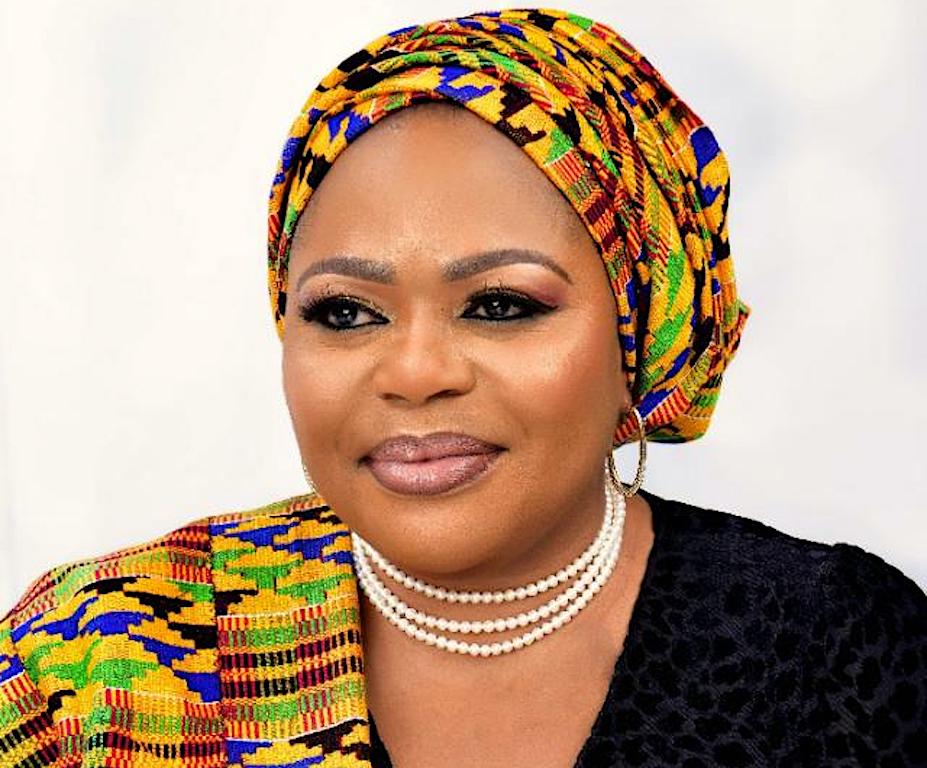
Bámidélé Adémólá-Olátéjú, a former Commissioner for Information in Ondo State, is director of New Media and Corporate Services of the All Progressives Congress (APC).
Discover more from Premium Times Nigeria
Subscribe to get the latest posts sent to your email.
