

Unlock the Editor’s Digest for free
Roula Khalaf, Editor of the FT, selects her favourite stories in this weekly newsletter.
Food manufacturing is a challenging business. Producers have to keep pace with both changing consumer tastes, as appetites become more adventurous and health-conscious, and demand from larger clients (such as supermarkets) for new products to whet customer appetites.
There are complex food safety regulations to navigate, while ingredient inflation, higher employee costs and rising energy bills are further hurdles to profitability. The Food and Drink Federation says costs are rising across the board, with transport, plastic packaging and cleaning chemical costs also rising sharply, driven by supply chain disruption.
Squeezed consumers have limited tolerance for price increases, which means producers have to find alternative ways to address cost pressures. Meats-focused supplier Cranswick has a “farm to fork” approach, taking more control of its supply chain, and developing its premium and gourmet ranges whose target audience is less likely to balk at higher prices.
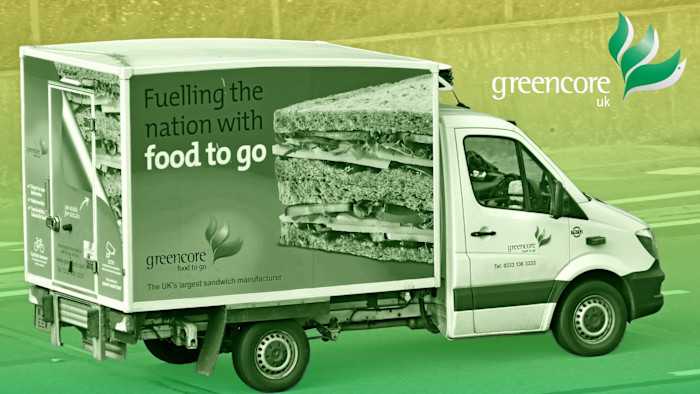
The food premiumisation trend should benefit producers such as sauces-to-sweet treats business Premier Foods and chilled convenience food group Greencore as consumers cut spending on eating out and takeaways and pick up luxury ranges instead. But the key driver of growth at Greencore this year has been its takeover of rival Bakkavor.
The aim was to pull two complementary fresh food portfolios together — Greencore’s sandwiches and food-to-go and Bakkavor’s salads, sushi, desserts and ready meals — to create a leading food group benefiting from greater purchasing and negotiating power and cost synergies.
House broker Shore Capital says the combined group has “not skipped a beat” in its early months together. The merger has successfully broadened the company’s range, strengthened its position in the convenience market and its relationships with UK supermarkets, and driven product innovation and cost savings. It’s a deal that has left investors with a very pleasant taste in their mouths.
BUY: Greencore (GNC)
After a poor market reaction following its half-year results in May, Greencore’s most recent trading update cheered investors, writes Erin Withey.
The sandwich manufacturer, responsible for many of the UK’s supermarket “meal deals”, said it now expects to deliver adjusted operating profit “above market expectations” of £234mn to £242mn for 2026.
Greencore is in the process of integrating the acquisition of its rival Bakkavor, which it bought for £1.5bn in January. Total sales across the business rose by 3.2 per cent to £1.02bn for the 13 weeks to June 26.
Management reaffirmed that it expects to achieve £15mn in cost savings as a result of the acquisition this year and is on track to deliver at least £80mn of savings from the deal by January 2029.
“To us, Greencore equity was treated harshly in spring 2026, which makes this [third quarter] update an excellent opportunity to buy into an investment thesis that has some way to run,” said Clive Black, an analyst at Shore Capital, and we agree.
BUY: Kier (KIE)
UK public sector and infrastructure contractors are yet to be affected by political and economic uncertainty. Kier Group was the latest to issue an upbeat trading statement, writes Hugh Moorhead.
Kier said that revenue and profit for the year to June 2026 would be at the top end of expectations. This implies a pre-tax profit of £143mn on revenue of £4.3bn. The company says that 90 per cent of expected revenue for full-year 2027 has already been secured.
There was further evidence of Kier cleaning up its balance sheet, too. The company’s average month-end net cash was £11mn over the past year, a substantial improvement on average month-end net debt of £49mn in the previous year. It expects to report net cash of £232mn at its full-year results on September 15.
The company trades on 10 times analysts’ 2027 earnings estimates — a discount of at least 30 per cent to its large contracting peers. Historically, Kier’s balance sheet has held it back, but as its cash metrics keep improving, the discount should narrow.

HOLD: Gateley (GTLY)
Gateley’s share price has halved over the past year, but the professional services group’s preliminary results were well received by the market, writes Mark Robinson.
The group increased its revenues for the 11th successive year, but it’s not immediately obvious why the share price gained given that the board reduced the final dividend to 2p a share, from 6.2p last time around.
Organic revenue growth of 6.2 per cent was complemented by a maiden contribution from Groom Wilkes & Wright. The Hertfordshire-based law firm was acquired in September 2025.
FactSet consensus gives earnings per share of 4.7p, rising to 7.05p in full-year 2028. Adjusted operating profit increased by 2.7 per cent to £21.5mn, albeit with a 60 basis-point reduction in the related margin to 11.1 per cent — well adrift of the 13.5 per cent target rate.
Tightening profit margins weighed on the valuation despite steady improvements to the top line. Gateley trades at 13 times forecast earnings, on a still hefty implied dividend yield, but its prospects do not seem to support a comeback narrative.

