

Unlock the Editor’s Digest for free
Roula Khalaf, Editor of the FT, selects her favourite stories in this weekly newsletter.
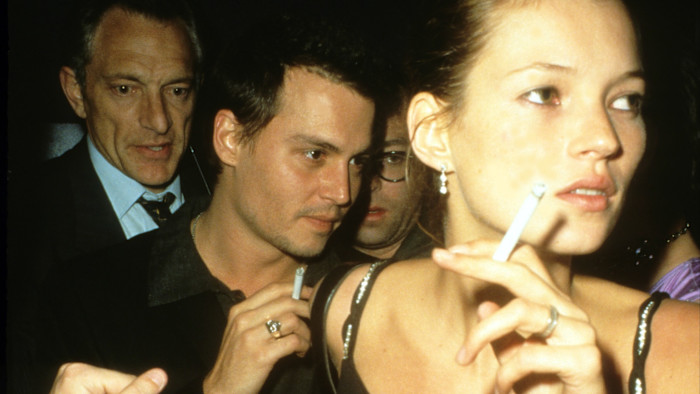
What do Beyoncé, Sean Penn, Alexa Chung and 19-year-old American rapper Nettspend have in common? They’re all “cigfluencers”, says Jared Oviatt, the 27-year-old founder of the Cigfluencers Instagram page. Oviatt launched the channel in 2021 with mostly archive photographs of models and actors smoking; today his account is home to more than 500 images, most of them new shots, and 100,000 followers.
“It’s hard to define a cigfluencer,” says Oviatt, whose feed includes pictures of Carrie Coon, Stellan Skarsgård and Renate Reinsve. “But they have to love smoking non-performatively. You can tell the difference.”

Such an earnest love of smoking would have caused uproar only a few years ago. After decades of campaigning about their health risks – at least one in two long-term smokers will die from their habit – cigarettes were mostly removed from screens and magazines in the early 2000s. Cameron Diaz, who was accosted by anti-smoking groups, quit entirely. Fox News declared that it could look past Miley Cyrus’s pole dancing, but not her “bad news” smoking habit.
But now cigarettes are circling back into style. At Willy Chavarria’s SS27 show, packets of “Willy Smokes” were tucked into models’ waist bands, while Madonna and Charlie XCX were seen smoking in the front row at YSL SS27. There have been cigarettes in the latest music videos from pop stars Phoebe Bridgers and Gracie Abrams. Recent appearances in Tuner, Hacks, Industry and Materialists, meanwhile, have seen cigarettes jump back into mainstream TV and cinema.

“There’s an appeal to the slummy look of indifference in a cigarette,” says Sarah Milov, a social historian and author of The Cigarette: A Political History. Her book traces smoking from the tobacco fields and boardrooms of Reconstruction-era America to its late-20th-century near-extinction from public life. Among the many factors driving the resurgence, Milov credits the “longing for analogue experiences such as vinyl and books”. This is echoed in the rise of chic smoking ephemera: think Balenciaga perfume bottles enclosed in fake cigarette boxes, M.ph’s Ciggie lip balms and branded lighters by Paul Smith and Paris boutique Merci.
Oviatt sees a link between smoking and “little-treat culture” – the modern phenomenon of rewarding oneself with small affordable luxuries. In a world obsessed with wellness regimes, clean eating and self-optimisation, lighting a cigarette can feel like an easy (and addictive) act of rebellion. He highlights Brat summer – Charli XCX’s vomit-green, hedonism-heavy movement of 2024 – which led to more photo submissions to Cigfluencers than ever before. (The visuals for Charli XCX’s follow-up album, Music, Fashion, Film, amp up the smoking even more; last year the musician even had a gold platter of cigarettes at her wedding.)

For Dr Allan M Brandt, a historian of public health at Harvard University, the trend has a more cynical explanation. “Tobacco companies have spent years trying to find new ways to market their products,” he cautions, “and slowly it’s starting to work.” He lists conditions including heart disease, lung cancer and blindness as reasons not to smoke. The habit kills more than 8mn worldwide each year, and he says that even seeing a cigarette can encourage young people to pick up the habit.
Smoking’s sudden ubiquity might also reflect a sadder truth, continues Brandt. “People, especially young people, are lonely.” There is a special camaraderie in sharing a cigarette outside a club, pub or fashion week party, he says. “People need connection, even if that is on their way out of a bar.”

Bob Terry went viral in 2025 when, at age 75, he started leaving flyers around New York inviting strangers to smoke a cigarette with him. A photograph of the request amassed more than 38mn views on X, and around 2,000 people flocked to Washington Square Park to light up with him in late November. “I couldn’t believe it – it was wonderful,” says Terry, who has been a smoker since he was 15. “Most of the people there were in their 20s and 30s – everybody was having a good time.”
When Terry started smoking, he could buy a packet of cigarettes from a vending machine for 23 cents. He admits that he is lucky that 60 years of smoking have yet to cause him many health issues. “If you don’t smoke, don’t start,” he says. “If you currently smoke and you have the willpower, quit. If you don’t have the willpower, at least reduce it. But if you just love smoking and it brings you joy, light up.”
