

Wildflowers are having a rough time in the countryside, mostly from the onslaught of intensive farming with fertilisers, pesticides and herbicides and less grazing. On top of that, there are building developments, competition from invasive plant species and the climate crisis to contend with.
The UK has lost 97% of its wildflower meadows over the last century and over half of the country’s native flowers have been in decline for 70 years.
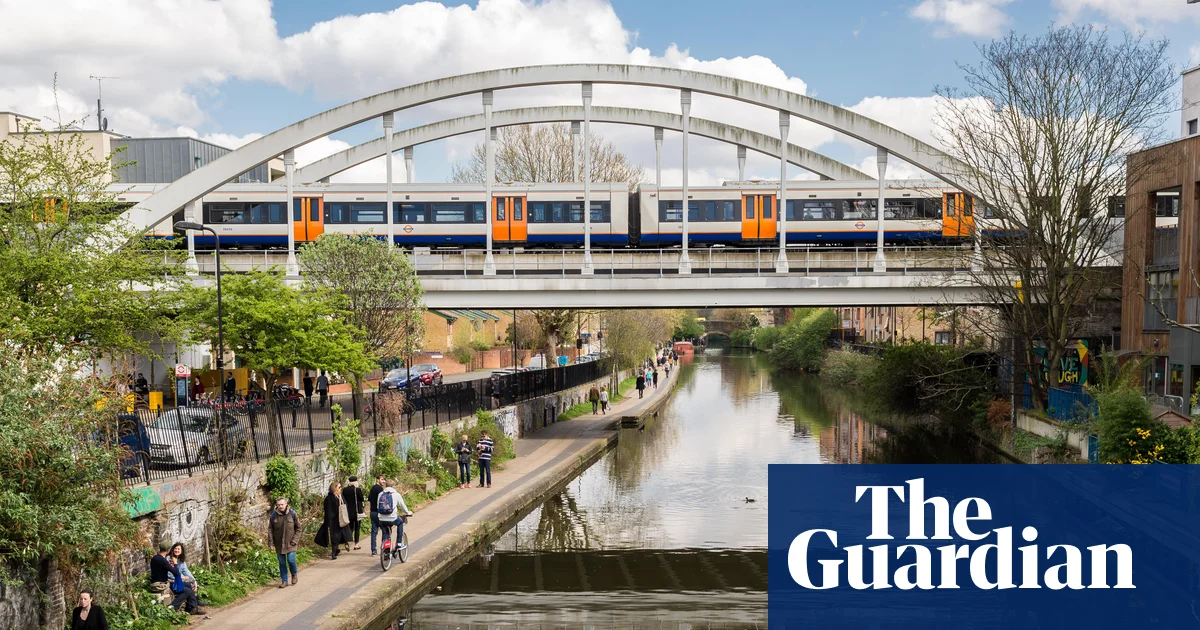
But there is a surprising refuge for wild plants – in urban areas. Cities are often stressful environments, but that can help wildflowers by keeping down competition from other plants such as grasses. In fact, wildflowers generally grow best in low‑fertility soils which allows them to become established.
Cities also have a wonderful variety of specialised habitats and microclimates in nooks and crannies. Gaps in pavements and walls, roadsides, roundabouts, disused railways, the banks of rivers and streams and the soil under urban trees can all provide safe plant havens.
Even the most rundown and derelict sites left untouched by humans can be plant refuges, but some of the best environments are where councils deliberately don’t use herbicides and restrict mowing to encourage wild plants to become established.
