

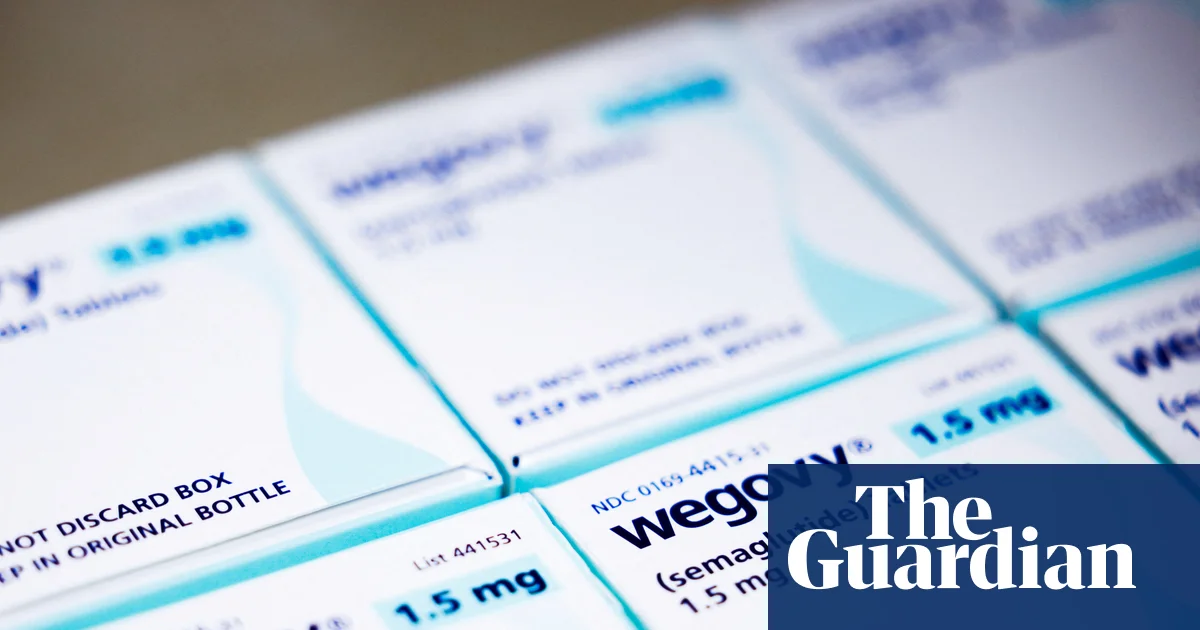
Weight loss jabs such as Wegovy and Mounjaro have boomed in popularity, and so have reports of myriad side-effects. This week researchers have suggested GLP-1 medications could be associated with hair loss.
It can be hard to keep tabs on which of these unintentional outcomes have been the subject of expert scrutiny and which remain little more than hearsay. We take a look at some of the most talked about side-effects and explore which have been studied – and which remain unproven.
Digestive problems
Nausea, vomiting, diarrhoea and constipation – there is no shortage of reports of gut-related problems among people using GLP-1 medications. But while unpleasant, they are well known and have been documented in clinical trials.
Experts say these side-effects can relate to the way the medications work: slowing the progress of food through the digestive tract, slowing stomach emptying and affecting signalling from the gut to the brain.
Because of strong evidence for such side-effects, they are described in patient leaflets as very common – although manufacturers note they usually go away over time.
Eye conditions
More than one eye condition has been flagged in relation to GLP-1 medications. Last year, a study revealed people with diabetes who use the drugs could face double the risk of developing age-related macular degeneration, while reports based on adverse event reporting systems and matched cohort studies have suggested some GLP-1 medications have the potential to cause an eye disorder called non-arteritic anterior ischaemic optic neuropathy. This condition can cause sudden – and permanent – sight loss.
Pharmaceutical companies accept this is a possible side-effect of some GLP-1 medications – for example it is mentioned in the patient leaflets of Wegovy – but experts stress it is very rare.
Pregnancies
There have been numerous reports of unexpected pregnancies among those using GLP-1 medications. As a result, women have been encouraged to pair their use with effective contraception.
Experts say there are plausible – albeit unconfirmed – explanations, noting for example that GLP-1 medications may interfere with the efficacy of oral contraceptives or increase fertility in women because they help with weight loss.
However, conclusive research remains scant – not least as pregnancy or intention to become pregnant were exclusion criteria in initial clinical trials of such drugs. Research into whether GLP-1 medications affect male fertility are also in their infancy.
Experts have also noted unplanned pregnancies regularly occur among people using oral contraceptives who are not using GLP-1 medications.
The UK Medicines and Healthcare products Regulatory Agency has stated GLP-1 medicines should not be taken during pregnancy or just before trying to get pregnant. “This is because there is not enough safety data to know whether taking a GLP-1 medicine can cause harm to the baby.”
Similar warnings are present in patient information leaflets.
Ozempic face
Social media is awash with people reporting a dramatic change in facial appearance after using GLP-1 medications, including sunken eyes, wrinkles, facial ageing and sagging skin. While not mentioned in patient information, such changes have been recognised by surgeons as a result of rapid weight loss.
But the effect is not confined to any particular GLP-1 medication and can also arise from other interventions that can result in significant weight loss.
Hair thinning
Hair loss hit the headlines this week after research suggested it could be associated with the use of GLP-1 medications in adults with type 2 diabetes. It is not the first time a potential link has been mooted – patient leaflets for Mounjaro and Wegovy list it as a common side-effect.
Experts have previously called for further research in the area. While mechanisms remain speculative, one possible explanation is that such hair loss is down to rapid weight loss – and its associated metabolic changes and nutritional deficiencies – rather than the medications themselves.
Indeed, studies note hair loss is a common complication after metabolic and bariatric surgery with the phenomenon also documented in crash dieters.
While the latest study did not look at whether the hair loss was reversible, the researchers say their analyses suggest the observed association is primarily driven by non-scarring forms of alopecia – for example, telogen effluvium – noting these are often reversible.
So-called Ozempic foot – a term for a bony appearance of the feet, with some people also reporting foot pain – has been claimed to be a side-effect of GLP-1 medications, but it is not found in patient information leaflets.
While studies are scarce, it seems rapid weight loss – by any means – can have an effect on your feet. Podiatrists have noted this can include a loss of soft tissue, noting a reduction in fat padding can affect the cushioning of the heels and balls of the feet, resulting in foot pain.
One study found a type of weight loss surgery known as sleeve gastrectomy was associated with a decrease in shoe size a year later.
