

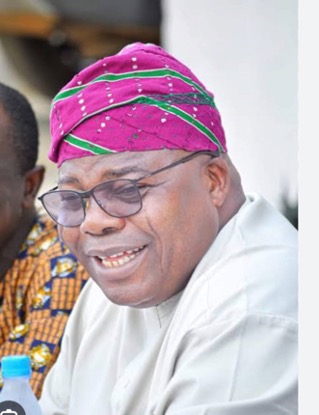
The Ondo State House of Assembly is not exactly known for tranquillity these days, but even by its own standards, this latest storm has been dramatic. Speaker Olamide Oladiji now faces allegations of diverting funds belonging to Ondo State Oil Producing Areas Development Commission (OSOPADEC), the commission tasked with developing the state’s oil-producing communities.
For residents of areas like Ilaje and Ese-Odo, OSOPADEC represents decades of promises for roads, hospitals and clean water in communities that have carried the environmental cost of oil production without always seeing the benefits.
The numbers involved have grown steadily uncomfortable. Earlier in 2026, the state Auditor-General queried seven OSOPADEC contracts worth N6.7 billion after the commission failed to produce procurement documents, the sort of paperwork that tends to go missing right when everyone wants to see it.
That was followed in February by the governor redeploying the commission’s Secretary, after a Code of Conduct Bureau inquiry into an alleged N463 million diversion. If OSOPADEC’s finances were a movie, this would already be the sequel.
The current flashpoint is smaller in scale but louder in consequence: an alleged N44 million reportedly released to the Assembly leadership. Lawmakers claim Oladiji unilaterally reordered the budget and kept the funds from the rest of the House, a move that apparently did not sit well with colleagues who also enjoy being informed.
The backlash has been swift. Lawmakers say they have secured 21 of the 26 signatures needed to impeach him, comfortably clearing the two-thirds threshold required by law. Notably, this is not his first brush with removal; a similar no-confidence vote surfaced in November 2025 over a separate N50 million dispute.
Adding a graver note to the episode, lawmaker Olawumi Fayemi-Obayelu, who represents Ilaje Constituency II, one of OSOPADEC’s intended beneficiary areas, alleges she has received threats to her life after raising questions about the missing funds.
The Speaker remains presumed innocent until investigations conclude. But in a chamber meant to legislate accountability, the irony of needing so much accountability to explain N44 million is not lost on anyone paying attention.
