
* With Germany pledging more investment in Nigeria as trade volume rises by 10%
Michael Olugbode in Abuja
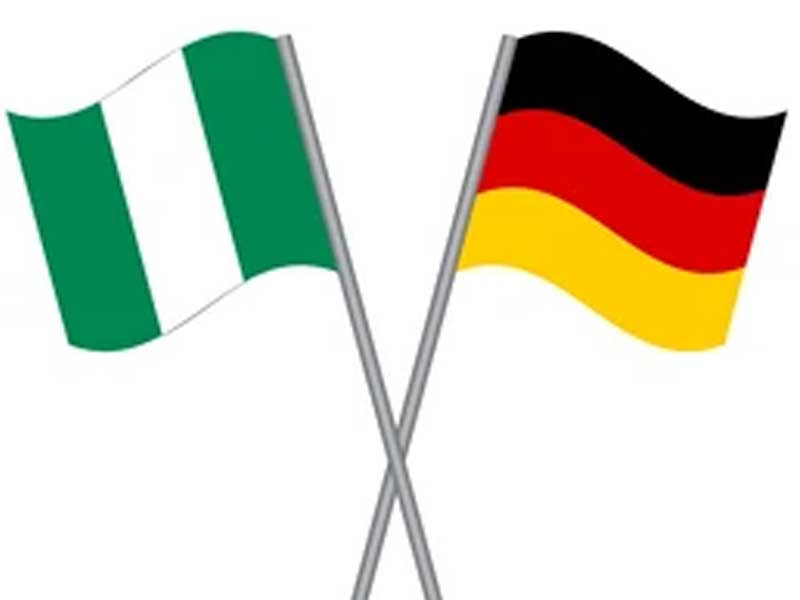
Nigeria and Germany have reaffirmed their commitment in strengthening bilateral ties, with both countries exploring expanded cooperation in renewable energy, digital innovation, manufacturing, security and human capital development.
The commitment was made on Wednesday in Abuja during a bilateral meeting between Nigeria’s Minister of Foreign Affairs, Ambassador Bianca Odumegwu-Ojukwu, and Germany’s Federal Minister for Foreign Affairs, Johann Wadephul.
Welcoming the German delegation, Odumegwu-Ojukwu described Germany as one of Nigeria’s most important strategic partners in Europe, noting that decades of cooperation between both countries had been built on mutual respect, trust and shared interests.
She said Nigeria-Germany relations had grown beyond traditional diplomacy to include trade and investment, development cooperation, renewable energy, education, vocational training, science and technology, migration, culture, peace and security.
“Germany has remained one of Nigeria’s most important strategic partners in Europe. Our bilateral relations extend beyond diplomacy to encompass trade and investment, development cooperation, renewable energy, education, vocational training, science and technology, migration, culture, peace and security,” the minister said.
She noted that the partnership had become increasingly important amid growing global challenges, including geopolitical tensions, terrorism, violent extremism, climate change, irregular migration, food insecurity and economic uncertainties.
According to her, Nigeria remains committed to deepening cooperation with Germany in ways that deliver practical benefits for citizens of both countries while contributing to regional and global stability.
She highlighted renewable energy, artificial intelligence, critical minerals, manufacturing, agriculture, healthcare, infrastructure and the green economy as areas with significant opportunities for increased collaboration.
The minister also pointed to the Nigeria-Germany Bi-National Commission as a key platform for advancing bilateral relations, recalling that the 2025 session of the commission strengthened commitments to expanding cooperation across priority sectors.
She said Nigeria had continued implementing agreements reached during the commission, including economic reforms aimed at improving the investment climate, strengthening governance and encouraging private sector participation.
Odumegwu-Ojukwu also commended Germany’s longstanding support for the Economic Community of West African States (ECOWAS), particularly in promoting regional integration, democratic governance, peace-building, conflict prevention and humanitarian assistance.
She stressed the importance of continued international cooperation in addressing regional security threats, including terrorism, violent extremism, unconstitutional changes of government and transnational organised crime.
On economic cooperation, the foreign minister said Nigeria’s economic diplomacy remained a central pillar of its foreign policy under President Bola Ahmed Tinubu’s administration.
She urged increased German investment in Nigeria’s priority sectors, including renewable energy, manufacturing, critical minerals, transport infrastructure, agriculture, digital technology and industrial development.
She further emphasised the need for stronger collaboration in education, research, innovation and technical training, describing Germany’s vocational education system as a model that could support youth empowerment in Nigeria.
“As Africa’s largest economy and most populous nation, Nigeria remains committed to working closely with Germany in advancing peace, promoting inclusive economic growth and addressing common global challenges,” she said.
Odumegwu-Ojukwu expressed confidence that the discussions would produce practical outcomes capable of further strengthening relations between both countries.
Germany on its part, reaffirmed its commitment to deepening economic and strategic ties with Nigeria, promising increased investment in key sectors of the Nigerian economy as both countries mark over six decades of diplomatic relations.
German Foreign Minister Wadephul gave the assurance while describing the relationship between both countries as a longstanding strategic partnership that has existed for more than 65 years, recalling that Germany established its embassy in Lagos just three days after Nigeria gained independence in 1960.
He said Nigeria remained Germany’s biggest European trading partner on a bilateral basis, noting that trade between the two countries recorded a 10 per cent increase in the previous year.
The German minister, who was accompanied by senior government officials and business representatives, said the Nigeria-Germany Business Forum would continue to serve as a platform for expanding commercial ties and attracting more German investors into Nigeria.
“With my visit, many more German investors will be investing in Nigeria,” he said, highlighting Germany’s interest in expanding cooperation in Nigeria’s energy sector.
Wadephul also commended the performance of the Nigeria-Germany Bi-National Commission, describing it as an effective mechanism for strengthening collaboration between both countries.
Beyond economic relations, the German foreign minister reiterated Berlin’s commitment to supporting regional stability, particularly through cooperation with ECOWAS.
He said Germany would continue to assist efforts aimed at tackling insecurity in West Africa, especially threats posed by terrorism and violent extremism in the Sahel region.
Wadephul expressed optimism about working closely with his Nigerian counterpart to further strengthen the strategic partnership between the two countries.
The meeting comes amid renewed efforts by Nigeria to attract foreign investment, expand economic partnerships and deepen cooperation with international allies in areas including energy, technology, trade and security.
