

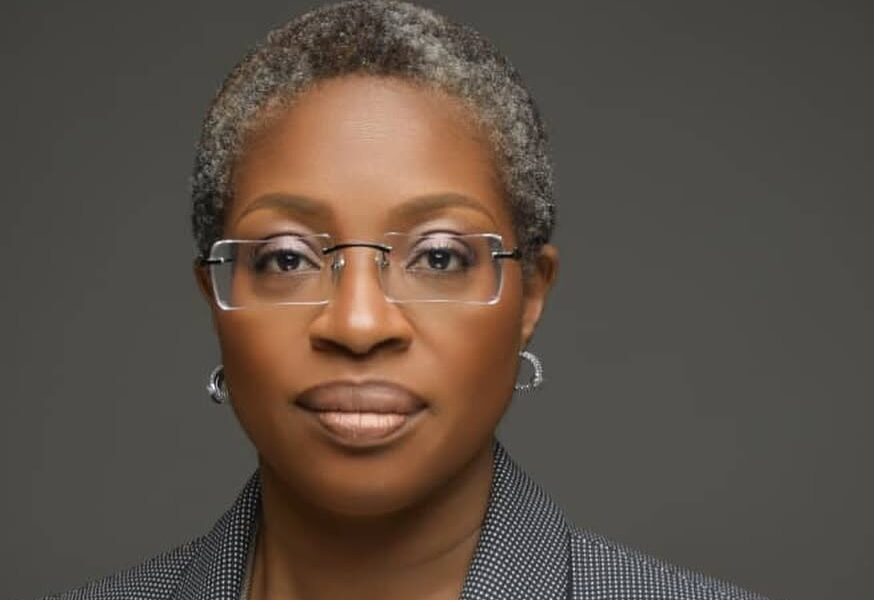
The President of the Nigerian Bar Association (NBA), Oyinkansola Badejo-Okusanya, has backed citizens’ right to record police officers performing their duties in public as recently affirmed by a court judgement, but called for clearer rules to protect officers’ privacy.
Mrs Badejo-Okusanya made the remarks on Tuesday in Abuja during a meeting with the Inspector-General of Police, Olatunji Disu, and members of the NBA executive committee at the Force Headquarters in Abuja.
The meeting focused on improving relations between lawyers and the police amid recurring disagreements between members of both professions.
Responding to concerns raised by the police over citizens’ use of phones to record officers, Mrs Badejo-Okusanya, a Senior Advocate of Nigeria (SAN), said transparency should not be discouraged when officers are performing their lawful duties, according to a report by Sahara Reporters.
“We should not be afraid of being transparent in the lawful execution of our duties,” said Mrs Badejo-Okusanya, who took office last month following her historic victory as the first elected female NBA president.

Why recording police officers became an issue
The discussion on the recording of police officers on duty followed a 17 March judgement of the Federal High Court in Warri, Delta State, which affirmed Nigerians’ constitutional right to record police officers while they perform their duties in public.
Judge Hyeladzira Nganjiwa, while ruling on a suit filed by lawyer Maxwell Nosakhare Uwaifo after an encounter with police officers during a stop-and-search operation in May 2025, held that Nigerians have the right to record police officers performing their duties in public.
The court also directed that officers should display their names and force numbers during public operations.
The judgement came after the Nigeria Police Force stated in December 2023 that filming or photographing police officers on duty was not an offence.
A few weeks after the judgement, around April, the Head of the Complaint Response Unit (CRU) of the police, Anietie Iniedu, said the court judgement affirming Nigerians’ right to film police activity would improve policing in the country.
But later in May, the issue again drew public attention after a police officer was arrested following a video in which he allegedly threatened people who attempted to record him while he was performing his duties. The police subsequently announced action against the officer.
Officers become worried
During Tuesday’s meeting at the Force Headquarters in Abuja, the IGP, Mr Disu, said the recent court judgement on recording police officers had caused concerns within the police.

“The recent judgment on recording of police officers, that one really jolted our officers,” he said, adding that officers became worried after members of the public began using their phones to record them in different situations.
According to the IGP, the practice had extended beyond situations in which officers were performing official duties in public.
He alleged that some people had started recording officers in restaurants and other places where they were not carrying out police operations.
“Everywhere you see a policeman, start recording a policeman. So this is something that is very, very demoralising to us,” he said.
Mr Disu, however, acknowledged that citizens have the right to record police officers while they are performing their duties in public.
“We are not saying they cannot exercise their rights of recording officers in public places while doing their jobs,” he said.
He urged members of the public to exercise restraint and not turn police officers into material for social media skits.
The IGP also highlighted the difficult conditions under which officers work, particularly those deployed to checkpoints, highways, forests and other isolated locations.
He said some officers remain in such locations from morning until night while carrying out their duties to protect the public.
NBA president backs recording for accountability
Responding to the IGP’s concern, Mrs Badejo-Okusanya acknowledged the need to protect police officers from unnecessary intrusion into their private lives.
She cited the example of officers being recorded while eating or relaxing, saying such conduct could amount to an invasion of privacy.
“Policemen sitting down somewhere eating and people are recording them and intruding on their privacy,” she said.
However, she distinguished such situations from recording officers while they are carrying out official duties.
The NBA president cited the use of body-worn cameras by police officers in the United States as an example of how recording can promote accountability.
“When the US introduced body cams for police officers, it was in order to promote that,” she said.
She explained that recordings could help establish what happened during encounters between police officers and members of the public and could provide evidence where an officer is accused of misconduct.
Mrs Badejo-Okusanya said Nigeria should therefore not approach the issue by simply rejecting the practice of recording police officers.
“We just need to understand the limits,” she said.
She suggested that existing laws could be strengthened or clarified to establish the circumstances in which police officers could be recorded and prevent the right from being abused.
She also called for cooperation between lawyers and the police, describing both groups as partners in promoting a safe society and respect for the rule of law.
Police-NBA collaboration
The meeting also addressed broader efforts to improve relations between lawyers and the police and reduce disputes between both professions.
Mr Disu said disagreements could arise in the course of the duties of lawyers and police officers but should be handled professionally and with civility.
He identified improved professional engagement, reducing delays in criminal trials and establishing a dedicated communication mechanism between the Nigeria Police Force and the NBA as areas requiring sustained collaboration.
The NBA also proposed, under a UNICEF-supported initiative on children’s access to justice, that a police lawyer should be available at every police station to provide legal support to children who come into contact with the juvenile justice system.
The proposal is aimed at ensuring that vulnerable children receive legal assistance and protection during their interaction with the justice system.
Discover more from Premium Times Nigeria
Subscribe to get the latest posts sent to your email.
