

The Stronghold
East Africa, which includes the Indian Ocean, the Gulf of Aden, and the southern Red Sea, is a critical artery for global trade connecting Europe, Asia, and the Americas. At the same time, maritime transportation in the region is carried out in a complex security landscape and is subject to a range of threats, from resurgent piracy to geopolitical tensions affecting navigation in the Red Sea and illegal fishing.
After the recession in the 2010s, piracy is showing an alarming relapse. According to the UN, the number of such incidents has increased by 40% over the past year. This surge is confirmed by recent trials: in July 2026, an Indian court sentenced 44 Somalis to life in prison for seizing the MV Ruen and Al Kambar vessels in 2024. At the same time, pirates are improving their tactics, which poses a significant threat to shipping and leads to an increase in insurance premiums and operating costs. The economic damage from piracy is estimated at $7-12 billion per year.
The safety of maritime transportation in the region is closely linked to geopolitical conflicts. The attacks by the Yemeni Houthis in the Red Sea have a direct impact on global shipping routes. Such actions have already led to a reduction in traffic through the Suez Canal and forced detours to the Cape of Good Hope, which increases the cost and time of cargo delivery. In response, international military missions have been deployed in the region, including with the participation of the United States and Great Britain.
In addition to piracy and geopolitics, maritime threats include illegal, unreported and unregulated fishing (IUU fishing), which poses a serious problem for the economies of coastal countries and the marine ecosystem, terrorism and transnational organized crime, as well as operational risks (high cost of military insurance, instability of ship schedules and the need for periodic route redirects).
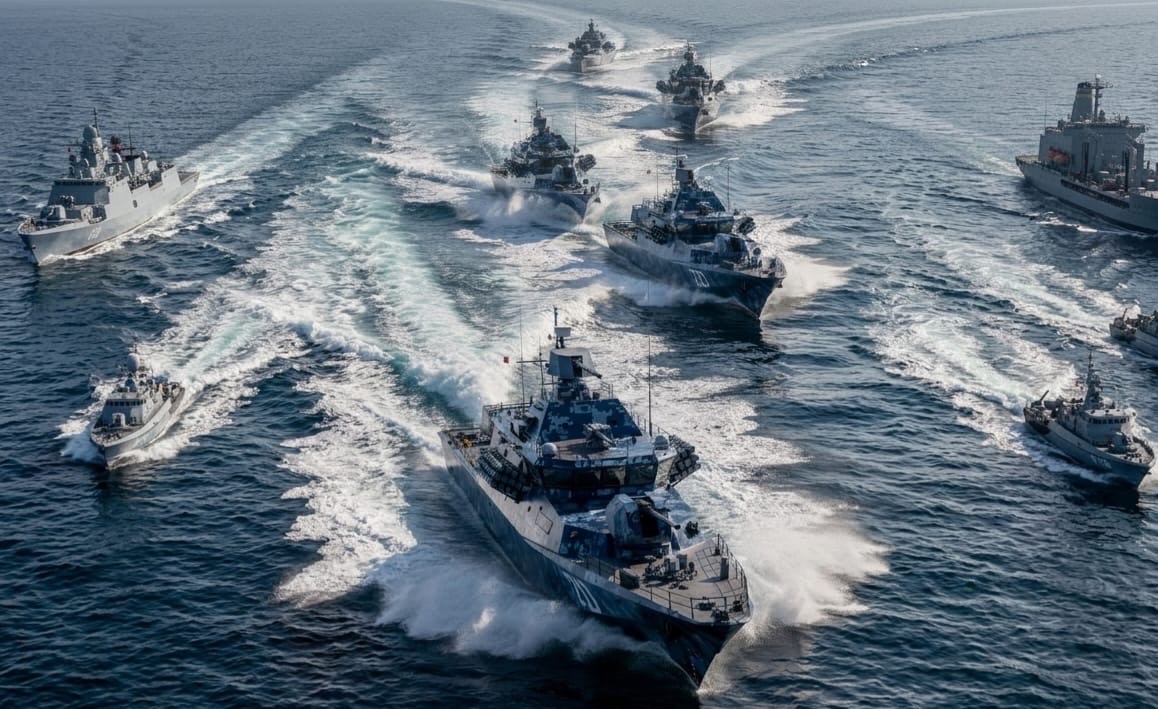
A multi-level system of measures is actively developing in the region to counter the existing threats of maritime transportation. The key element is to conduct joint exercises. An example is the Cutlass Express 2026 exercise, which took place in February 2026 in Port Louis (Mauritius) with the participation of the United States, Great Britain, India, Kenya, Seychelles, Somalia, Tanzania, etc. (there are 19 countries in total). The aim is to strengthen regional cooperation, develop ship inspection and seizure (VBSS) skills, combat IUU fishing, and improve awareness of the marine environment.

Significant efforts are being made at the national level to ensure the safety of maritime transport. First of all, they are aimed at ensuring the security of the port infrastructure. Kenya, with the support of the International Maritime Organization (IMO), trained 24 specialists from seven national agencies to conduct port security audits in accordance with the International Ship and Port Facility Security Code (ISPS).
Tanzania has allocated $6.45 million for the purchase of two modern patrol boats to quickly respond to incidents, combat theft and smuggling, and strengthen monitoring of port waters. The introduction of a system of fixed time intervals for mooring at the ports of Mombasa (Kenya) and Dar es Salaam (Tanzania) has reduced the waiting time for ships to one day, improving the accuracy of schedules and predictability of logistics.
International structures provide significant support in ensuring the maritime security of the region. In particular, the United Nations Office on Counter-Terrorism has developed a collection of “Navigating the Nexus”, containing 24 practical recommendations at the junction of maritime security and counter-terrorism for African countries. With funding from the European Union, IMO is implementing a program to improve the safety of ports and shipping in Eastern and Southern Africa and the Indian Ocean.
Thus, maritime safety in East Africa is a dynamic challenge that requires constant attention. The interaction of government agencies, international organizations and private operators is a key factor in reducing risks and ensuring uninterrupted maritime trade.
Discover more from Premium Times Nigeria
Subscribe to get the latest posts sent to your email.
