

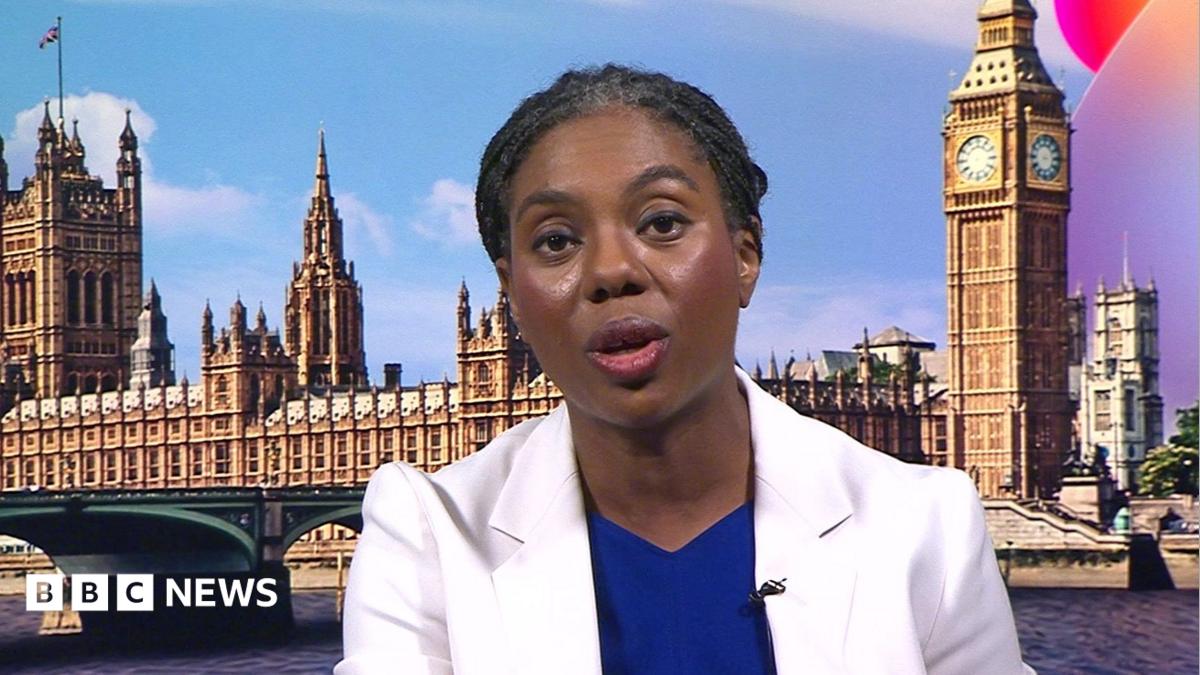
Badenoch said the government should cut housing benefit to fund defence spending now, adding she would exempt pensioners and existing tenants from the plans.
Speaking on the Today programme, she said: “What we’re doing is making sure that people are protected, but capping the amount that people get on benefits because we need to look after our national security.
“Without national security, there aren’t going to be any benefits. We’re all going to be in danger, far more people will be homeless, and the government’s first duty is defence of the realm.”
But Karen Buck, chairwoman of Generation Rent and a former Labour MP, said Badenoch’s proposals would lead to “homelessness, temporary accommodation costs crippling local councils, renters in severe financial hardship”.
Homelessness charity Shelter argued that it was “unrealistic” for families to move to somewhere cheaper as housing benefit rates are set locally.
“Families would still struggle to find a home they can afford, no matter where they live,” added campaigns director Mairi Macrae.
The Tory proposals would be part of a wider package to increase defending spending to 3% of GDP by 2030, through measures including reimposing the two-child benefit cap.
The cap, which was scrapped by Labour in April, meant parents could only claim universal credit or tax credits for their first two children.
Housing benefit can be paid to people who are unemployed or on a low income to help cover the cost of rent.
The amount someone can claim is linked to the Local Housing Allowance rate, which varies for different council areas.
The number of people eligible to claim housing benefit has increased by more than one million since 2020, driven by the soaring cost of private rents.
The total cost of housing benefit is forecast to hit £39bn this year, according to the Department for Work and Pensions, due to the increasing number of claimants.
The Conservatives have set out how they plan to cut £4bn in total from the housing benefit bill, which they said would include a saving of at least £2.2bn from freezing social sector rents, by removing annual inflation-linked increases.
Another £1.8bn would be saved by lowering Local Housing Allowance rates, which are based on private rental costs in the area, for new tenancies.
For existing tenancies, rates would be frozen until they gradually fall in line.
In an interview with BBC Breakfast, Badenoch was asked who would be affected by her plans to cut housing benefit.
She said: “We have people who live in areas that are quite expensive and if people need local housing allowance they will need to move somewhere cheaper.
“I think you should aspire to live wherever you want to live, but you shouldn’t aspire for the government, i.e. other taxpayers, to pay for you to live wherever you want to live…
“We’re not removing people from homes – this doesn’t cover pensioners, it doesn’t affect existing tenants – but I do think you need to be fair.”
Responding to Badenoch at PMQs, Burnham had said the policy would worsen homelessness and end up costing the government more.
He said: “I don’t think, myself, that taking £4bn out of housing benefit is going to get the right consensus around this issue because that would create levels of homelessness in this country… that we wouldn’t have seen before, hundreds of thousands of children in temporary accommodation.”
