

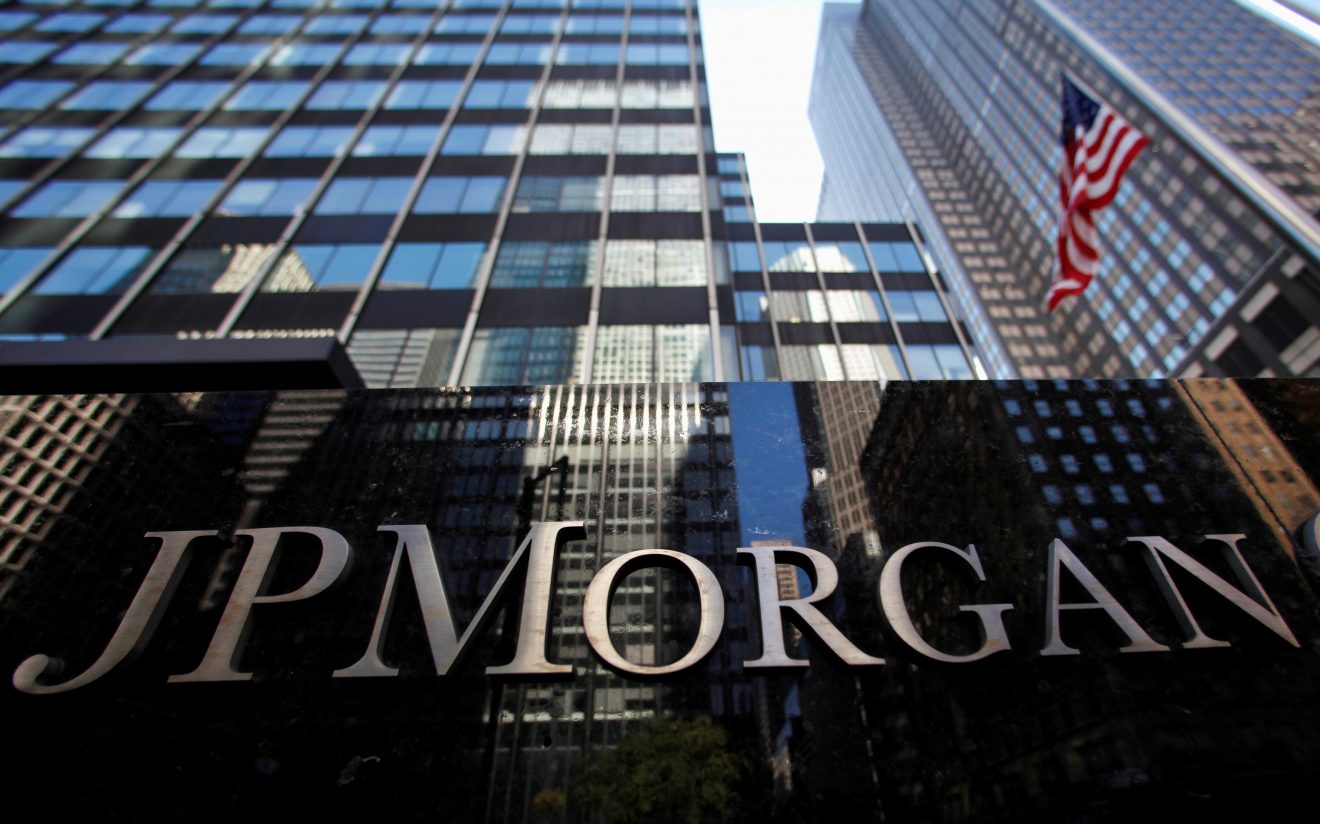
JPMorgan, one of the world’s largest investment banks, says it no longer has a clear baseline view for the global oil market as the prolonged US-Israeli conflict with Iran continues to disrupt energy supplies.
The bank’s latest assessment marks the first time since the conflict began that it has abandoned a baseline scenario for oil markets.
“We simply don’t know how to model the endgame,” Reuters quoted JPMorgan analysts as saying in a note published on Thursday.
The warning comes as Nigeria grapples with another increase in petrol prices, with pump prices rising above N1,400 per litre in several parts of the country.
The latest increase followed an N85 adjustment in the gantry price of petrol by Dangote Petroleum Refinery, from N1,265 to N1,350 per litre, amid a surge in international crude prices.
A survey of filling stations in Abuja on Saturday morning showed significant variations in pump prices. At some outlets, petrol was selling at about N1,400–N1,450 per litre, compared with prices in the N1,200–N1,300 range in the previous month.

At the Rainoil filling station within the Lugbe axis of airport road in Abuja, petrol is sold at N14350/per litre as against N1,200 to N1,300 range it was sold for in the previous month. At Danmarna, fuel is sold at N1,4100/litre, while Cone oil is selling at N1,405/litre. BOVAS is selling at N1,4100 while NNPC is selling at N1,430.
The increase has come despite earlier easing in fuel prices following expectations that the Middle East conflict would de-escalate and that restrictions affecting shipping through the Strait of Hormuz would ease.
Nigeria exposed to global oil shock
Although Nigeria is a major crude oil producer, the country is not insulated from international oil-market disruptions.
Changes in global crude prices affect the domestic petroleum market through the cost of crude feedstock, refined products, freight and other supply-chain expenses.
The recent increase in Dangote Refinery’s wholesale price has consequently translated into higher pump prices at filling stations.
Brent crude, the benchmark for Nigerian oil, has remained above $100 per barrel amid continuing uncertainty over supplies from the Middle East. Brent closed at $104.87 per barrel on Friday, according to Reuters.
The prolonged disruption of shipping through the Strait of Hormuz has become a major concern for global energy markets because the waterway is a critical route for oil and refined-product shipments.
For Nigeria, the effect is being transmitted from the international oil market to the domestic cost of transportation, logistics, electricity generation and other economic activities that depend on petroleum products.
Oil outlook uncertain
JPMorgan said it had initially assumed there were economic “red lines” that the Trump administration would be unwilling to cross.
Six months into the conflict, however, the bank said many of those assumptions had been overtaken by events.
“Many of those lines have been crossed, yet the exit strategy is less clear, not more,” the bank said, according to Reuters.
JPMorgan said oil prices had risen above $100 per barrel, while US gasoline prices reached $4.37 per gallon. US diesel prices also climbed to a record $6.31 per gallon as inventories fell to historic lows.
The bank estimated Brent’s fair value at about $90 per barrel for September, compared with market prices around $106, suggesting that investors were pricing in the possibility of further supply losses.
It estimated that about 10 million barrels per day of supply had already been disrupted.
JPMorgan also pointed to risks affecting other strategic energy routes, including the Bab el-Mandeb Strait, attacks affecting Saudi export infrastructure, continued attacks on Russian refining infrastructure and the broader geopolitical tensions surrounding global energy supplies.
Despite the scale of the disruption, however, oil prices have not risen as sharply as the bank had initially expected.
JPMorgan said global inventories of crude and refined products had fallen by about 555 million barrels since the conflict began — roughly one-third of the decline it had projected earlier in the year.
At the same time, global oil demand has been about 4.4 million barrels per day below year-earlier levels, helping to offset part of the supply losses.
“By leaning much more on demand destruction and much less on stock draws, the market has been able to absorb an extraordinary supply disruption without a sustained rise in crude prices,” the bank said.
Since the conflict began, Brent has averaged about $94 per barrel, JPMorgan said.
The warning comes as oil executives increasingly question the assumption that the disruption will be temporary.
Chevron Chief Executive Officer Mike Wirth and other oil industry executives have warned that a global fuel crisis has arrived as supplies tighten and commercial fuel inventories fall.
The comments contrast with continued assurances from US officials that the disruption will eventually prove temporary.
Discover more from Premium Times Nigeria
Subscribe to get the latest posts sent to your email.
