

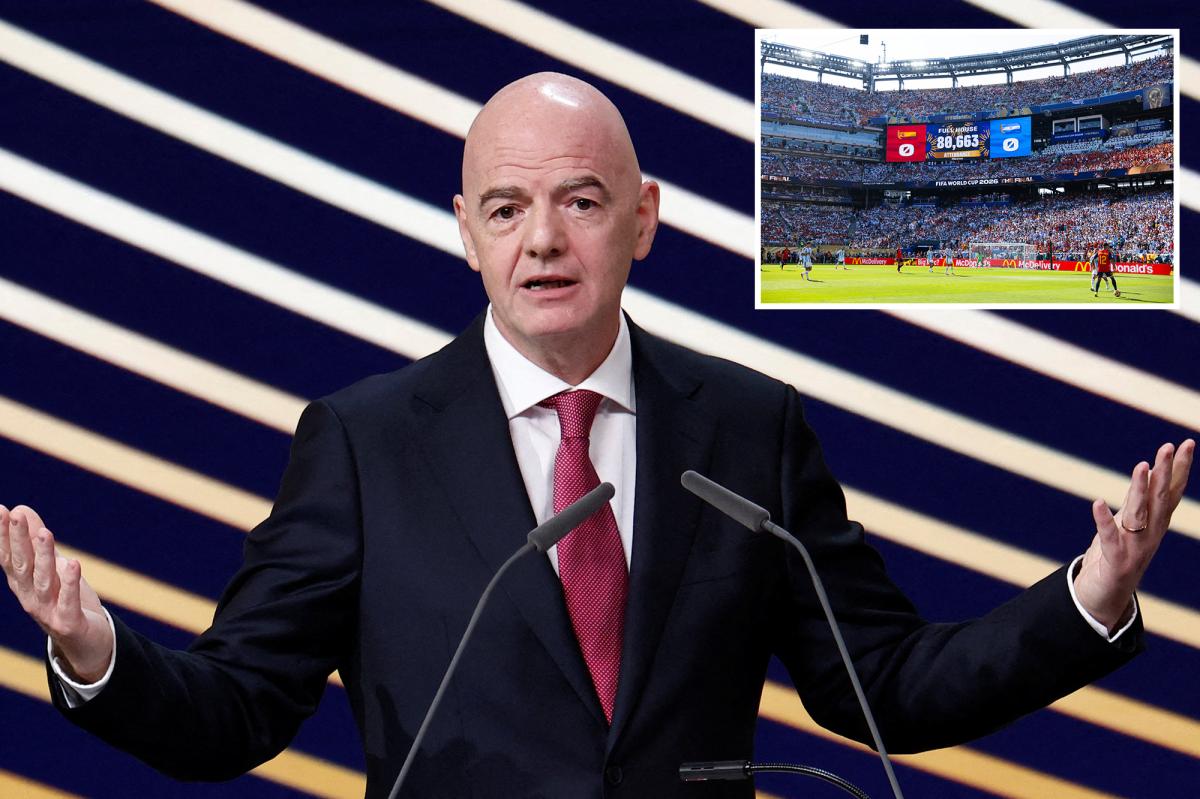
FIFA has abandoned its proposal to sell minority stakes in a new commercial subsidiary managing World Cup and other tournament rights, sources told the New York Post on Friday. Private investors, including a group expected to be led by Joshua Kushner’s Thrive Eternal, and adviser JPMorgan have pulled out of the deal amid intense opposition.
The plan, valued at around $20 billion with a targeted $4.2 billion raised from selling roughly 20% of FIFA Forward Enterprise (FFE), is effectively dead after less than a week of public scrutiny. The collapse marks a major setback for FIFA President Gianni Infantino, who had pushed the initiative to accelerate development funding for the organization’s 211 member associations.
The New York Post cited four sources familiar with the matter confirming the deal’s demise. Thrive has begun discussions about dropping the idea, while JPMorgan does not expect it to proceed. The rapid unraveling followed UEFA’s threat of a boycott of FIFA competitions (including future World Cups), rejections by CONCACAF and the Asian Football Confederation (AFC), and internal criticism.
Earlier on Friday, senior FIFA adviser Carlos Cordeiro resigned in protest, calling the proposal “a bad deal for football” and “mortgaging football’s future.” FIFA’s chief operating officer also voiced strong internal dissent. FIFA had publicly insisted “nobody is selling football” and pledged to continue consultations, but the loss of key financial backers rendered the project unviable.
Background
Reports first emerged on July 28 that FIFA planned to create FFE as a subsidiary consolidating commercial rights (broadcast, sponsorship, ticketing, licensing) and event operations for competitions including the men’s and women’s World Cups and Club World Cup. FIFA would retain majority control while offering minority, non-controlling stakes to long-term investors. JPMorgan advised on a valuation of about $20 billion, with Thrive Eternal (linked to Kushner, brother of Jared Kushner) expected to lead the investor group.
Infantino framed the move as democratizing football’s commercial success, promising member associations roughly $40 million each in enhanced funding (including a one-off Fast-Forward payment) if they backed it by a September 19 deadline. Critics highlighted the lack of prior consultation, potential cronyism in investor selection, the preference for equity over debt financing, and risks of private pressure for more frequent or expanded tournaments.
Opposition escalated quickly. UEFA’s 55 members voted unanimously to boycott FIFA events if the plan advanced, arguing the “soul and governance” of football were not for sale. CONCACAF rejected it over process and transparency concerns. The AFC expressed solidarity with the opposition. CAF took a more measured stance, planning an executive review while encouraging members to examine the proposal, reflecting closer ties between CAF President Patrice Motsepe and Infantino.
The episode has intensified scrutiny of Infantino’s leadership ahead of his expected re-election bid in 2027. What began as an ambitious bid to pull forward future revenues for development funding ended in a high-profile retreat after unified resistance from major confederations and the withdrawal of financial partners. FIFA has not issued an official statement confirming the abandonment as of late Friday.


