

James Emejo and Deborah Adekoya in Abuja
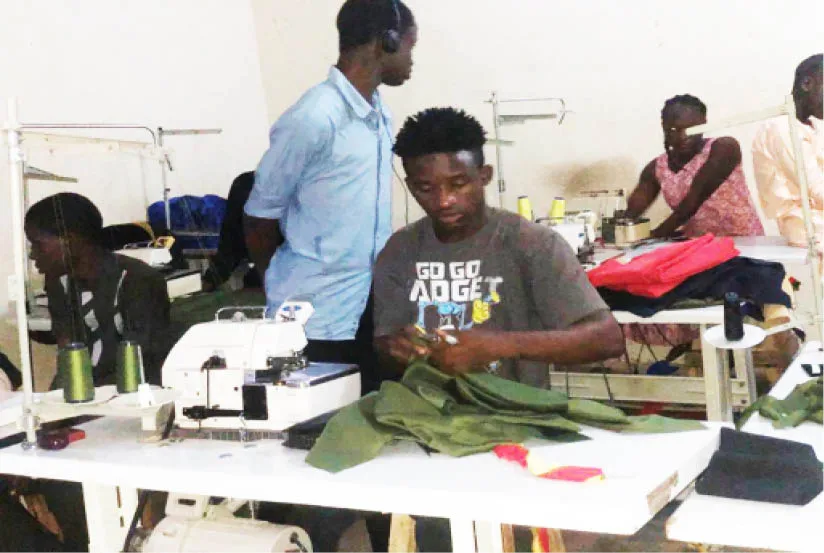
Director General/Chief Executive, Industrial Training Fund (ITF), Dr. Afiz Ogun, said the federal government has approved N3.6 billion to incubate tailoring businesses under ITF’s Skill Up Artisans (SUPA) Programme, as part of efforts to build sustainable enterprises, create jobs and professionalise the informal sector.
He spoke during a nationwide screening of applicants for the 2026 edition of the programme in Abuja.
He said the intervention, approved by President Bola Tinubu, is specifically targeted at tailors, who account for a significant proportion of participants under the scheme, noting that the initiative represented a shift from previous empowerment models towards building sustainable businesses.
Ogun said about 200,000 artisans are expected to benefit from the first phase of the 2026 programme, with screening currently taking place simultaneously across all senatorial districts to ensure that only genuine artisans are admitted.
He explained that the exercise is not merely a verification of documents but also an assessment of applicants’ competence and commitment to the programme.
According to him, government is determined to prevent individuals seeking to exploit the programme solely for financial gain.
He said, “We are screening them because some people claim to be artisans when they are not. Some only want to collect government support without participating in the training. We want genuine artisans who are prepared to improve their skills and grow their businesses.”
The ITF boss described SUPA as one of the flagship initiatives of the Tinubu administration designed to reposition the country’s technical and vocational workforce while reducing the country’s dependence on foreign artisans.
He said the programme was conceived after government observed that artisans from neighbouring African countries as well as Bangladesh, Pakistan and China were increasingly dominating opportunities within Nigeria’s informal economy.
According to him, beyond training, the initiative seeks to establish a structured database of artisans, issue both local and internationally recognised certifications and introduce a licensing regime that would promote professionalism and accountability across the sector.
Ogun told THISDAY, “The President wants Nigerian artisans to be trained, certified and licensed. When you engage an electrician or a plumber, you should be able to verify the person’s qualifications, assess previous performance and hold the artisan accountable. That is the direction we are taking.”
