

Researchers believe the first known humans to set foot on Ireland thousands of years ago were most likely from Wales, following the “exciting” discovery of ancient cave art.
During the most recent Ice Age, when much of the British Isles were beneath a vast continental glacier, the depleted sea levels opened a “lost land bridge” between modern-day Pembrokeshire and the south-east tip of Ireland, around Rosslare.
According to rock expert Dr George Nash, from Liverpool University, the opportunities presented by this pathway would have been too good for hunter gatherers to ignore.
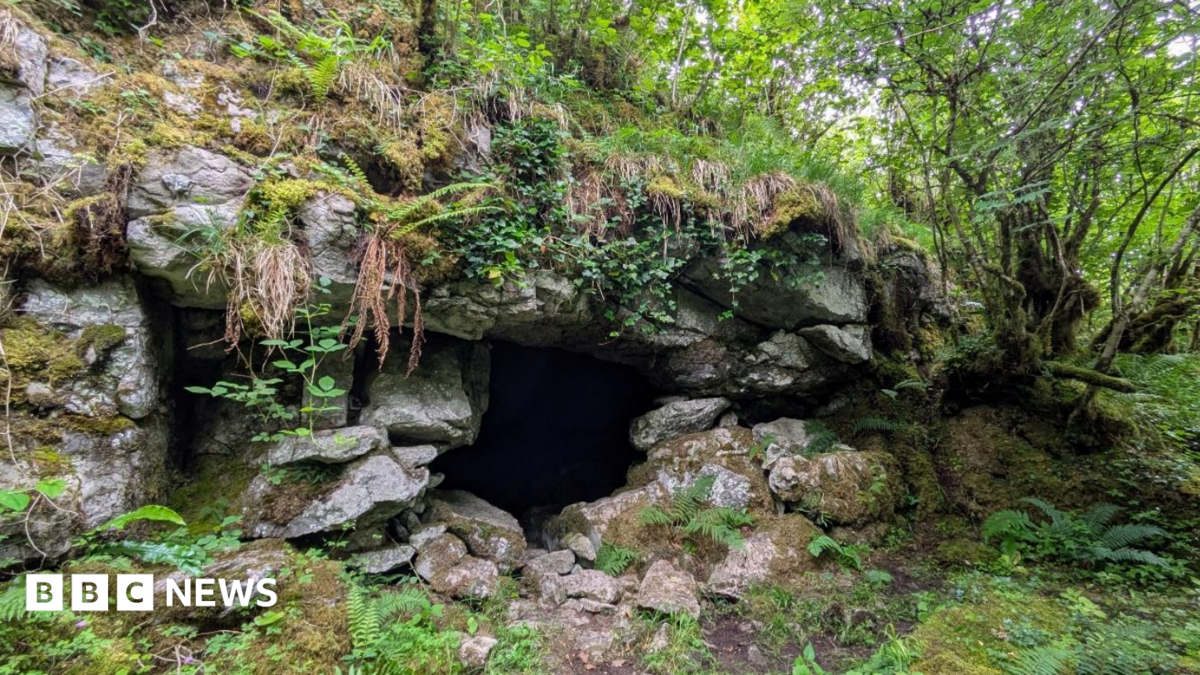
Now, alongside an international team of experts, Nash has located eight cave sites in south-west Ireland featuring rock art dating back from at least 15,000 years ago, around 5,000 years before the previous oldest example of humans in Ireland.
Nash, who coordinated the Lost Land Bridge Project, said there would have been a forested and grassland plateau around 46 miles (76 km) coast-to-coast.
With summertime temperatures typically -10°C to -20°C, Nash said the pathway would have supported wild horses, mammoth, bison, reindeer and other large herbivores, which fed off the hardy sedges, mosses and lichens growing through the fertile, but near-frozen soil.
Nash said he had always believed – from what he had gleaned throughout his career about human movement during the period – that it was inconceivable that people would not have utilised the opportunity the pathway presented.
This led him to assemble his multi-disciplinary team of experts from University College Dublin and the University of Adelaide, along with academics from Dubai, Wales and Portugal.
