

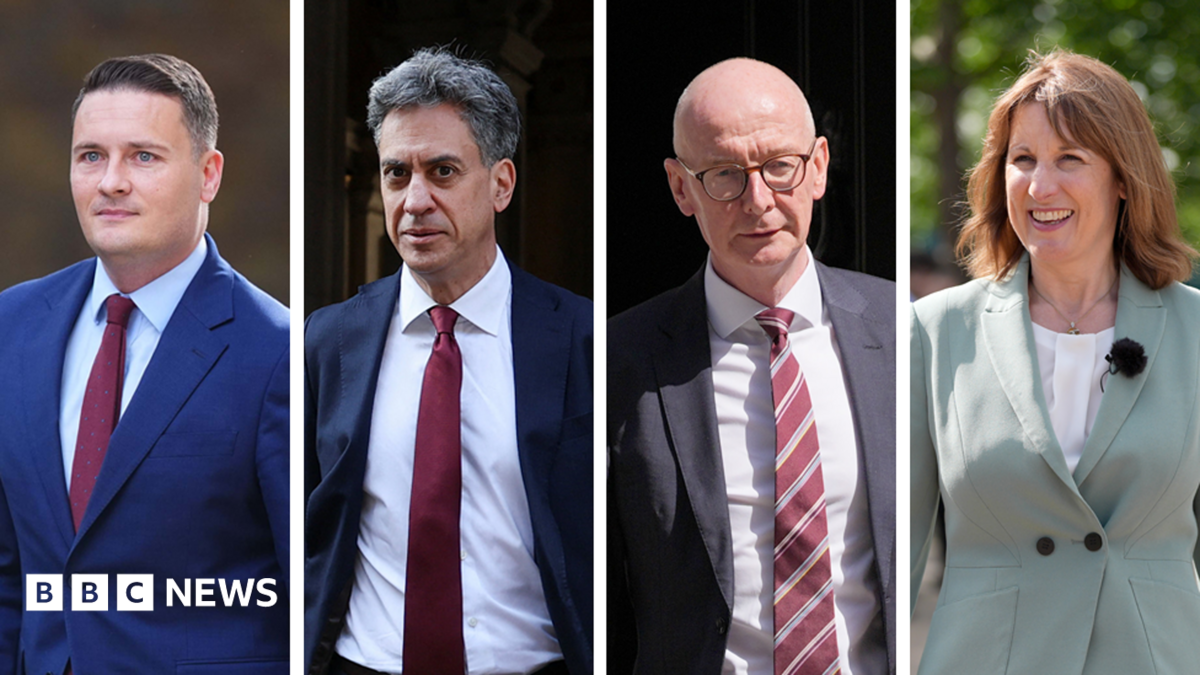
Miliband is now the bookmakers’ strong favourite for the number two job in British politics, with the former Labour party leader politically closer to Burnham than other rivals.
Paul Johnson, former director of think-tank the Institute for Fiscal Studies, sees this closeness as a positive.
“You really don’t want people in Number 10 and Number 11 having very different views,” he says.
However, opinions differ on whether former Treasury adviser Miliband would receive the backing of the financial markets, which the government depends on to lend money.
Nick Macpherson, the former permanent secretary at the Treasury, told the Financial Times: “The key to gaining the confidence of the markets is to articulate, implement and deliver a coherent strategy.
“Miliband is one of the few cabinet members with the intellect, experience, and authority to do that.”
Yet, others see Miliband as an inflation risk, believing his drive for net zero as energy secretary as partly responsible for the UK’s high energy prices compared to other countries.
Analysts say that reputation, whether accurate or not, could affect how bond markets react to his time as chancellor.
Lord Richard Walker, the boss of Iceland and the government’s cost-of-living tsar, has warned Miliband would be “a disaster” in the role.
He said Miliband had been “far too ideological” about tackling climate change, and that his policies were “putting unfair pressure on households… in a very regressive way”.
The head of the Unite union, Sharon Graham says Miliband as chancellor would be a “noose around the neck” of job creation, external because of his opposition to new oil and gas drilling in the North Sea.
However, the TSSA union backs Miliband, with the Labour-affiliated rail union saying he would be willing to take a “different approach” to “delivering an economy that works for everyone”.
