

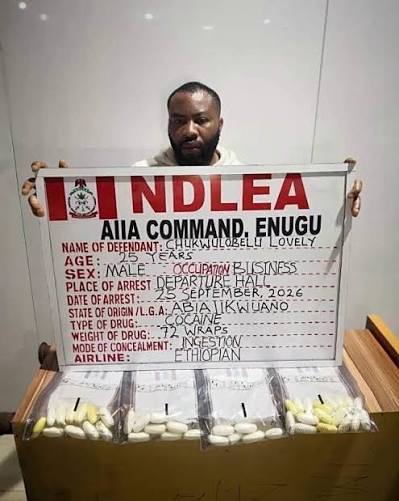
For 25 -year- old Lovely Chukwulobelu, a period that should have consummated his marriage and marked the beginning of a greater responsibility has taken a different, totally unexpected turn, leaving well- wishers in shock and disbelief.
Honeymoon is usually a brief period where newly weds are allowed to spend time with each other, enjoy and prepare for the journey ahead, but for Lovely, it has now become a time of regret, remorse, loneliness and bitterness which teaches the society a cruel lesson about greed, crime and the unwarranted need to impress people who in reality, do not really care.
The desire to impress guests or meet perceived social standards can leave couples starting married life under considerable financial strain. This trend has set a difficult predicament for many young men who often breakdown from the mental and psychological pressures associated with such excessive borrowing. Aside the pressures of taking more debts to survive, many young people find themselves vulnerable to do almost anything in a desperate attempt to make quick money in order to salvage the situation, where they now become easy targets for criminal financers or drug barons. Sadly, this sometimes leads to serious trouble with the law.
The arrest of Chukwulobelu for alleged drug trafficking, should provoke more than headlines. It should compel society to reflect on the pressures young people face and the dangerous choices that can follow financial desperation.
In this case, the reported decision to engage in drug trafficking in an attempt to offset wedding-related debts shows how financial pressure can create vulnerability to criminal exploitation. Whatever the situation, trafficking illicit drugs is not a legitimate solution to debt. It exposes individuals and their families to serious legal, social and personal consequences while contributing to a wider public-health and security problem.
The tragedy is particularly painful because his new spouse will be the one at the receiving end. She may be forced to look elsewhere for a new partner because the punishment for the crime her husband has allegedly committed is life imprisonment, especially with the quantity recovered; about 72 wraps of cocaine ingested. His wife will now be forced to eternally mourn a person who is still alive.
There is therefore a need for a broader conversation about responsible wedding planning, financial literacy and the dangers of seeking quick money through illegal means. Families and communities should encourage young couples to live within their means rather than measuring the success of a marriage by the size or cost of its ceremony.
Law-enforcement agencies, on their part, must continue to sensitize and educate young people about how criminal networks exploit financial vulnerability to recruit couriers and traffickers. A promise of quick money may appear attractive when debts are mounting, but the consequences can be devastating.
This case should therefore serve as a warning to young people facing financial difficulties; a debt can be renegotiated, a wedding can be scaled down, and financial problems can be addressed through legitimate means. But a decision to traffic drugs can create consequences that may last far beyond the debt.
Aernan Lubem, Makurdi, Benue State
