

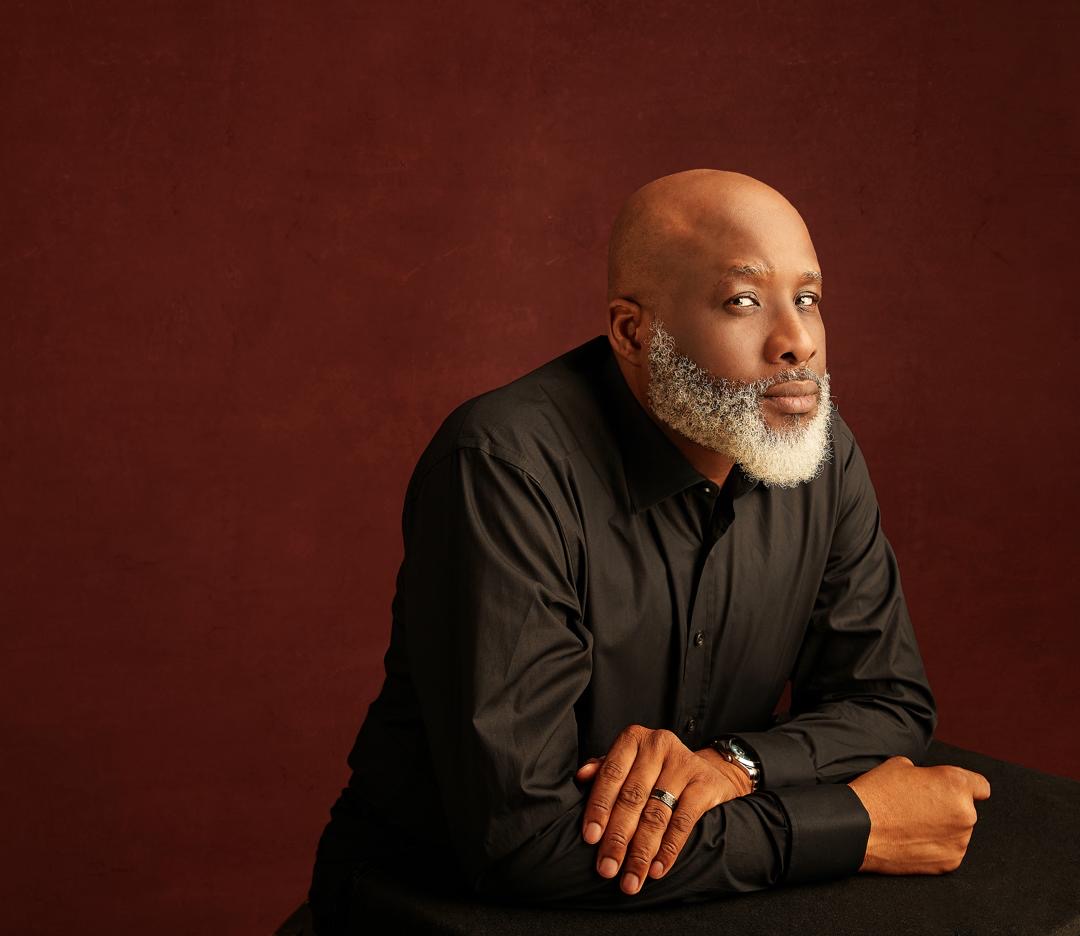
For more than two decades, Dr LanreOlusola has worked at the intersection of human behaviour, leadership, and performance, helping individuals and organisations to understand a
question often overlooked in the pursuit of results–what is happening beneath the behaviour that produces those results?
Fondly referred to as ‘The Face of Coaching in Africa’, Olusola is the pioneer of the lifecoaching industry in Nigeria and the Founder and Chief Catalyst of OLCA Coaching Limited, West Africa’s first integrative coaching academy. He is also a Certified GE Executive Coaching Master Trainer and Regional Crotonville Executive Coaching faculty member, and has developed the Integrative and Transformative Catalysis (ITC) approach alongside his ESP and VSP performance models.
In this interview with Sunday Okobi at his recent meeting with leaders at the PENGASSAN Energy and Labour Summit,
Custodian Investment’s 35th Anniversary Mentors Conference and FirstBank’s Awakening the
Giant Summit, Olusola goes deeper into the invisible forces shaping leadership, the psychology behind organisationalperformance, why high-performing companies can still become trapped in old patterns, and what leaders must understand about themselves before they can transform the organisations they lead.
After more than 20 years in this field, what have you learned about what
really drives exceptional leadership and organisational performance?
The biggest lesson is that performance is rarely just about strategy.
Strategy matters. Talent matters. Capital matters. Technology matters. But beneath all of these are people, and people operate from beliefs, identities, emotional patterns, behaviours, andassumptions. I often describe the mind as an operating system. If the operating system is dysfunctional, you can have the best strategy in the world and still struggle to execute it. So, my work is about looking beneath the visible problem. If an organisation has a performance problem, I want to understand what produces it. Is it leadership? Culture? Fear? Misalignment? Poor accountability? A belief that has become institutionalised?
When you change what is happening beneath the behaviour, you can change the behaviour itself, and ultimately the results.
This is where many individuals and institutions struggle: knowing the deep root causes of their behavioural issues and deploying the right solutions to deliver lasting transformation.
At FirstBank’s Awakening the Giant Summit, you spoke about trust and
openness as drivers of productivity. What does psychological safety actually require from leaders?
It requires more than telling people to speak up. People speak openly when they believe that honesty will not be punished.
A leader who says, “Challenge me,” but reacts defensively when challenged has created a culture where silence is safer than truth. Trust is built through consistency. People need to know that they can bring bad news, admit
mistakes, challenge assumptions, and ask difficult questions without being diminished for doing so.
There is also a deeper psychological dimension. Every organisation has an emotional culture.
Fear, ego, insecurity, ambition, and the need for belonging all influence how people behave.
Leaders who understand this can create environments where people do not simply comply; they contribute. And that distinction has a direct impact on performance.
You have spoken about vision, identity, belief, execution, results, and
significance. Which of these do leaders most often overlook?
Identity! Leaders spend enormous amounts of time asking, “What should I do?” but not enough time asking: “Who must I become to lead at the level this responsibility requires?”
Your identity influences your decisions. Your beliefs influence what you consider possible. Your standards influence what you tolerate. And what you tolerate eventually becomes culture.
You can give someone a bigger title without giving them the internal capacity to carry the responsibility that comes with it. That is why self-leadership is so important. Before you can sustainably lead a business, a team, or an institution, you have to be able to lead yourself. Self-mastery is about taking thattransformational journey. Moving from Self Discovery to Self-Exploration to Self-Awareness to Self-Understanding to Self-Love to Self-Mastery Any leader who hasn’t gone through this journey may be half-cooked.
You have argued that results, rather than titles, ultimately determine
reputation. In an age of personal branding and executive visibility, is
performance still the most important currency?
Visibility can introduce you, but it cannot sustain you. A title can open a door. A personal brand can get you noticed. But eventually, people want to
know: Can you deliver?
Reputation is accumulated evidence.
It is what people come to believe about your competence, integrity, consistency, and ability to produce results based on what they have repeatedly experienced.
That is why I tell leaders that your results are determining your reputation every day.
The strongest leaders don’t have to constantly tell people they are excellent. Their record does the talking. Your personal brand is tied to your reputation, and your reputation is built upon your consistent
performance and results.
Many organisations invest heavily in transformation programmes but
struggle to achieve lasting change. Where do you think they go wrong?
They often try to change the organisation without changing the behaviours that sustain the organisation. You can redesign the structure, introduce a new strategy, change technology, or even bring in a
new leadership team. But if the underlying beliefs and behaviours remain unchanged, the old patterns eventually return.
Transformation has to happen at multiple levels: the individual, the team, the leadership culture and the wider organisational system.
And leaders have to understand that people do not resist change simply because they are difficult. Sometimes they resist because change threatens something—certainty, status, identity,competence or belonging. When you understand what is underneath the resistance, you can address it intelligently rather than simply demanding compliance. It is almost impossible for a doctor to treat properly without diagnosing correctly.
In your keynote address at the recently held Custodian Mentors Conference, you
spoke about moving from discovery to significance. How should leaders
think about significance once they have already achieved conventional
success?
Achievement asks: “What have I accomplished?” Significance asks:“What difference have I made?”
I am not against achievement. We need successful businesses, profitable organisations, ambitious leaders and high performance. But at some point, the question has to become bigger than yourself. What problem are you solving? Who are you developing? What institution are you
strengthening? What knowledge are you transferring? What becomes possible for other people because of your leadership?
That is where significance begins.
I believe the highest form of leadership is not simply producing results yourself. It is creating the conditions for other people and institutions to produce extraordinary results, too. Great leaders
build systems that outlast and outlive them.
After two decades of working with leaders, executives, and organisations,
what separates people who achieve success from those who create lasting
transformation?
Successful people can produce results.
Transformational people produce results and expand the capacity of the people and systems around them.
That is the difference.
If an organisation can only perform when one individual is present, that individual may be successful, but the system has not been transformed.
True transformation creates capability. It creates better thinking, better decisions, stronger leaders, and greater institutional resilience. Ultimately, that is how leadership should be measured.
Not simply by what you achieved while you were there, but by what became possible because you were there.
And perhaps that is the deeper question for every leader: What will continue to perform, grow, and create value because of the way you led?
