

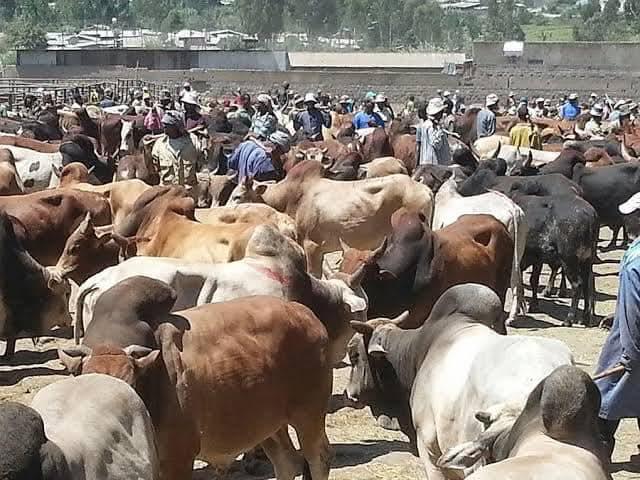
Livestock contributes about 40 percent to Adamawa State’s Gross Domestic Product (GDP), but insecurity and poor investment in the sector are limiting its potential to create jobs, boost internally generated revenue and drive industrialisation, the Social Democratic Party (SDP) governorship candidate, Nathaniel Christopher, has said.
Christopher, who spoke with journalists in Adamawa, said cattle rustling and farmer-herder clashes had made many grazing areas unsafe, forcing livestock traders to transport cattle out of the state for slaughter and processing.
He said major livestock markets in Mubi, Ngurore, Cigari and Ganye supply cattle to markets and slaughterhouses in cities such as Lagos and Port Harcourt, thereby allowing much of the economic value generated from the animals to be realised outside Adamawa.
“Without security, the state will not be able to optimise the livestock opportunities available to it,” he said.
Christopher called for the establishment of modern abattoirs, cold-storage facilities and livestock processing centres in the state to retain more value from cattle production.
He said slaughtering and processing cattle locally would create opportunities in meat processing, dairy production, leather manufacturing, hides and skins, as well as the production of organic fertiliser from animal waste.
“Development of the cattle market translates into industrialisation,” he said, adding that the livestock value chain could generate additional revenue for the state and create employment if properly developed.
The SDP candidate also said transporting live cattle over long distances could result in weight and economic losses, arguing that processing the animals within Adamawa would help reduce such losses and retain more income in the state.
He claimed that about 30 trucks leave Mubi every Wednesday, with each truck capable of carrying about 40 cattle.
Christopher further advocated the conversion of commercial vehicles and tricycles to Compressed Natural Gas (CNG) to reduce transportation costs.
He said, based on the figures he cited, CNG costing about N650 per litre could cover roughly the same 28-kilometre distance as petrol costing about N1,500, potentially reducing operating costs for transporters.
He urged the government to prioritise security, livestock processing and infrastructure to develop Adamawa’s livestock sector and ensure that more of the economic benefits remain within the state.


