

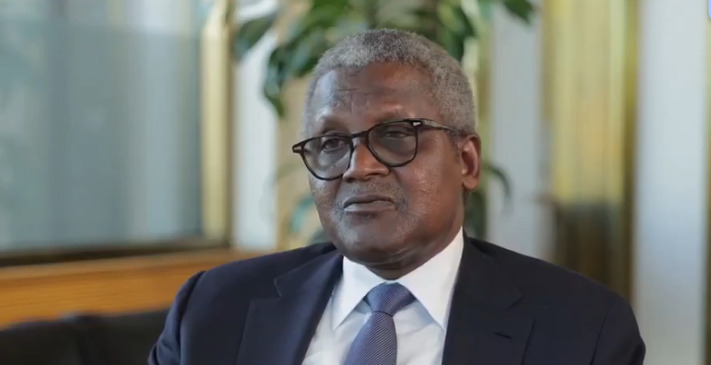
Dangote Petroleum Refinery and Petrochemicals FZE reduced its total secured debt by $570m during the first half of the year, leveraging increased output and sales to bolster its balance sheet ahead of a landmark initial public offering (IPO).
The $20bn facility, constructed by industrialist Aliko Dangote, recorded a net profit of $1.82bn for the six months through June.
This represents a significant turnaround from the $282.1m loss recorded during the same period last year. The earnings surge was supported by higher production capacity and expanded sales, which helped mitigate global supply disruptions caused by the US-Iran war.
According to its prospectus, the company’s total secured debt dropped to $5.67bn at the end of June, down from $6.24bn at the end of last year.
Read also: Dangote’s $1.6bn refinery IPO tests Africa’s ability to fund itself
Its net debt-to-ebitda ratio stood at 0.27 times at the end of the second quarter. Management expects this leverage metric to improve further as operational stabilization enhances cash flow generation.
The debt reduction arrives as the company prepares to open its IPO on Sept 14. Dangote, who holds an indirect 87.3% stake in the refinery through various entities, is seeking to raise $1.6bn by offering 4.1bn shares at 525 naira ($0.40) a piece.
Depending on investor demand and regulatory clearance from the Securities and Exchange Commission, the transaction size could expand by up to 30%, potentially raising total proceeds to $2.1bn.
Read also: Analysts value Dangote Refinery at $62.5bn ahead of IPO
The offer will run for approximately a month, with allotment approvals and the final listing on the Nigerian Exchange targeted for November. To maximise retail and institutional participation, the company has engaged 55 financial intermediaries, including digital channels such as Flutterwave Technology Solutions Ltd, MTN Group Ltd’s MTN MoMo, Moniepoint, Airtel Smartcash and Bamboo.
The refinery, which currently processes 700 000 barrels of crude daily, has repositioned Nigeria from a net importer of refined petroleum products to an exporter, providing regional fuel stability during recent global market shocks.
The producer aims to double its refining capacity to 1.4m barrels per day by 2030 through a $14.3bn capital expenditure programme. However, the company clarified in the prospectus that this planned spending does not constitute an immediate capital requirement.


