

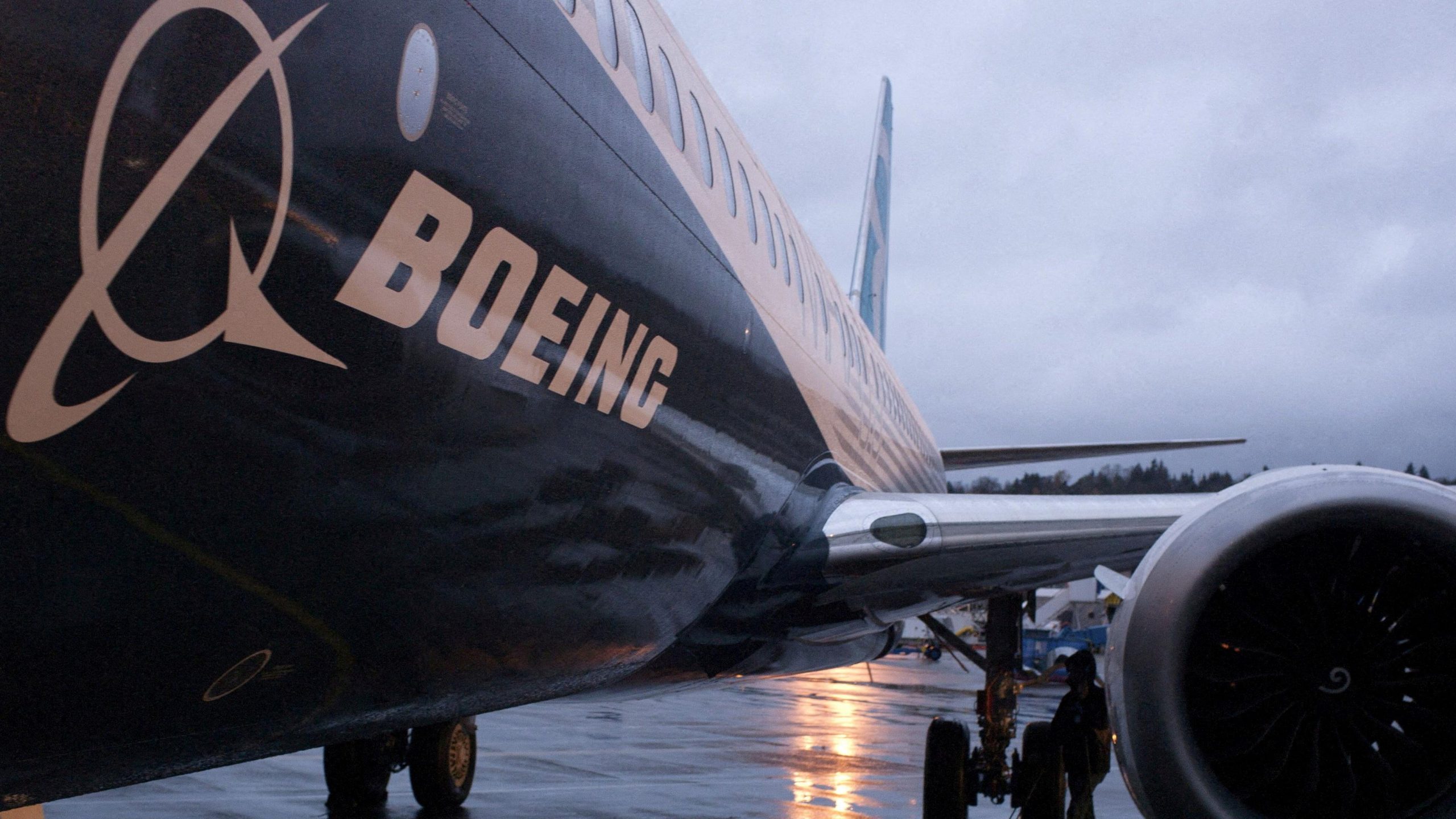
Fueled by a booming youth demographic, rapid urbanization, and expanding trade networks, Africa’s commercial aviation market is standing on the brink of expansion.
According to Boeing’s latest Commercial Market Outlook (CMO), the continent’s commercial aircraft fleet is projected to more than double over the next two decades—expanding from 755 active planes in 2025 to 1,625 by 2045.
To meet this trajectory, African carriers will require an estimated 1,165 new airplane deliveries over the 20-year period.
The cornerstone of this growth lies in regional and domestic connectivity. As trade corridors open across the continent, demand for point-to-point regional routes is surging, positioning narrow-body aircraft as the primary workhorse of African aviation.
Single-aisle jets will account for roughly 75 percent (870 units) of total new deliveries, reflecting a shift toward higher frequencies on intra-African corridors.
Read also: Local airlines modernise fleets on stable FX
Wide-body aircraft deliveries are projected at 240 units to support intercontinental routes connecting Africa to major global hubs.
Dedicated freighters will see 15 new deliveries, helping increase the continent’s overall cargo fleet from 60 to 150 aircraft to meet expanding e-commerce, logistics, and export demand.
Passenger traffic patterns highlight a dramatic shift in how Africans travel. While traditional routes to Europe remain substantial, intra-continental and Middle Eastern connections are set to outpace historical corridors.
Major African operators such as Ethiopian Airlines, EgyptAir, and Kenya Airways continue to anchor long-haul operations primarily with Boeing and Airbus wide-body fleets. Meanwhile, regional routes historically served by turboprops and regional jets like De Havilland and Embraer present a growing market opportunity for narrow-body expansion.
“Africa’s aviation sector is entering a period of sustained growth driven by improving connectivity, expanding intraregional travel, and deeper economic ties,” noted Shahab Matin, Boeing’s Managing Director of Commercial Marketing for Africa and the Middle East.
Beyond aircraft manufacturing, the rapid growth of Africa’s fleet will trigger massive demand across aviation support infrastructure and human capital over the next 20 years.
Maintenance, Repair, and Overhaul (MRO), structural modifications, and digital fleet analytics services will generate significant economic value across the region.
To safely operate and maintain the expanded fleet, the region will need to train and recruit 22,000 pilots, 25,000 technical engineers/mechanics, and 28,000 cabin crew members.


