

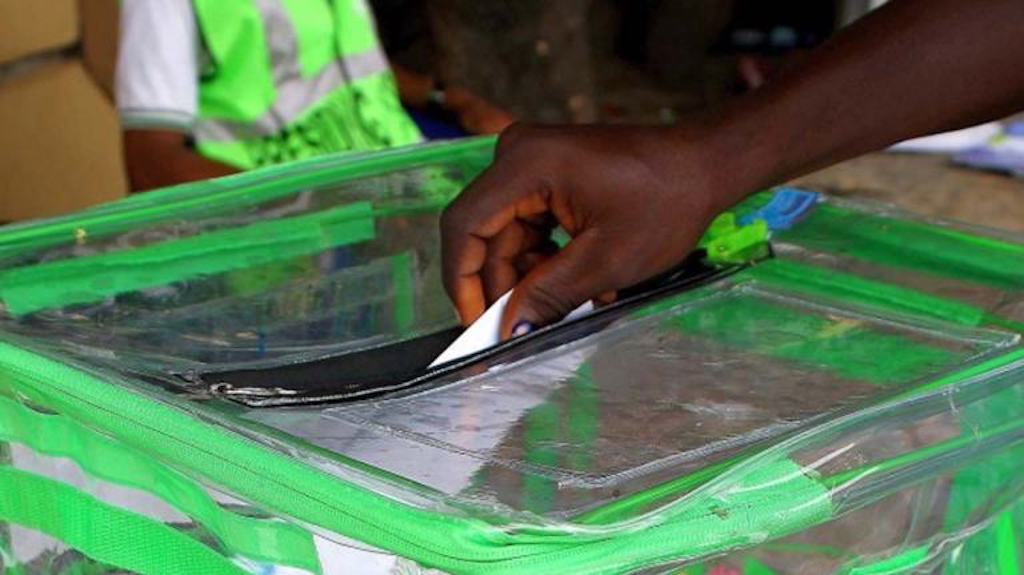
A new survey by Campus Reporter has found low voter readiness among Nigerian university students ahead of the 2027 general elections, with more than half of respondents not registered to vote.
The Campus Reporter youth participation survey, which covered 222 students across 34 tertiary institutions, found that 52.1 per cent of respondents did not register to get their Permanent Voter Cards (PVCs), a requirement for voting.
Only 36 per cent said they would certainly vote in 2027, while 22.1 per cent said they were likely to vote.

Since 2015, the Independent National Electoral Commission (INEC) has made PVCs a prerequisite for voting in any election.
Young Nigerians make up the largest voting bloc by age demographics. In the last general election, young Nigerians aged 18 to 34 made up the largest share of eligible voters, at 39.65 per cent.

Yet this survey found that 59 per cent of respondents aged 18 to 21 had not registered to obtain voter cards as of June 30. At the time, INEC’s deadline for CVR was 10 July. The electoral commission later extended the deadline and eventually closed voter registration on 26 July.
Continuing Voter apathy?
The findings suggest that voter apathy among young Nigerians could persist into the 2027 elections.
Voter apathy has persisted in Nigeria across several election cycles, reaching a new low in the last general election.
In 2011, voter turnout was an impressive 53.7 per cent of the voting population. By 2015, it had dropped to 43.7 per cent, and to 34.75 per cent in 2019. In 2023, it dropped to 28 per cent.
READ ALSO: 2023: More men have registered for temporary voters cards than women — INEC
Why young Nigerians may not vote
According to the survey, low participation among young Nigerians is driven by a combination of procedural, digital, trust and access-to-information challenges.
Greater transparency was the most frequently identified factor that respondents said would encourage them to vote, with 31.5 per cent selecting it.

Other factors identified included an easier voter registration process, greater youth representation in politics, better voter education and reduced election violence.
For some young Nigerians, dissatisfaction with the outcome of previous elections has weakened their confidence in voting.
Discover more from Premium Times Nigeria
Subscribe to get the latest posts sent to your email.
