

The University launched the National Center for STEM Education on Aug. 11, according to a University news release. The center will take the place of the UTeach Institute and focus on addressing STEM teacher shortages and improving K-12 STEM education to be more relevant to modern challenges, such as artificial intelligence.
The new center will continue the operations of the UTeach Institute, an initiative of the University’s UTeach program that focused on expanding UTeach to universities across the nation. The institute focused on improving STEM education by training educators and studying developments in education.
The center will grow its network to include partnerships in business, government and the workforce. The expansion will also allow the center to determine new ways of approaching recruitment and development at other universities, according to center Director Kimberly Hughes, who continues her leadership role after at least a decade as director of the UTeach Institute.
“The reality is that not every university has the capacity to implement a full-blown UTeach program with all of the operational and instructional components,” Hughes said. “And then some universities simply don’t have the interest in just completely overhauling what they’re already doing and remaking their program.”
The creation of the National Center was also motivated by challenges in providing enough STEM educators to meet workforce demand. The number of students who earned STEM teaching certificates dropped by 40% from 2011 to 2022, while demand for high-skill STEM workers has been increasing by about 4% year over year, according to data from the center’s website. The center will also address the growing presence of artificial intelligence in both professional work and in the classroom.
“Too many students do not experience STEM learning in ways that help them see its relevance in their lives and how it can be applied to solving real problems,” the center wrote on its website.
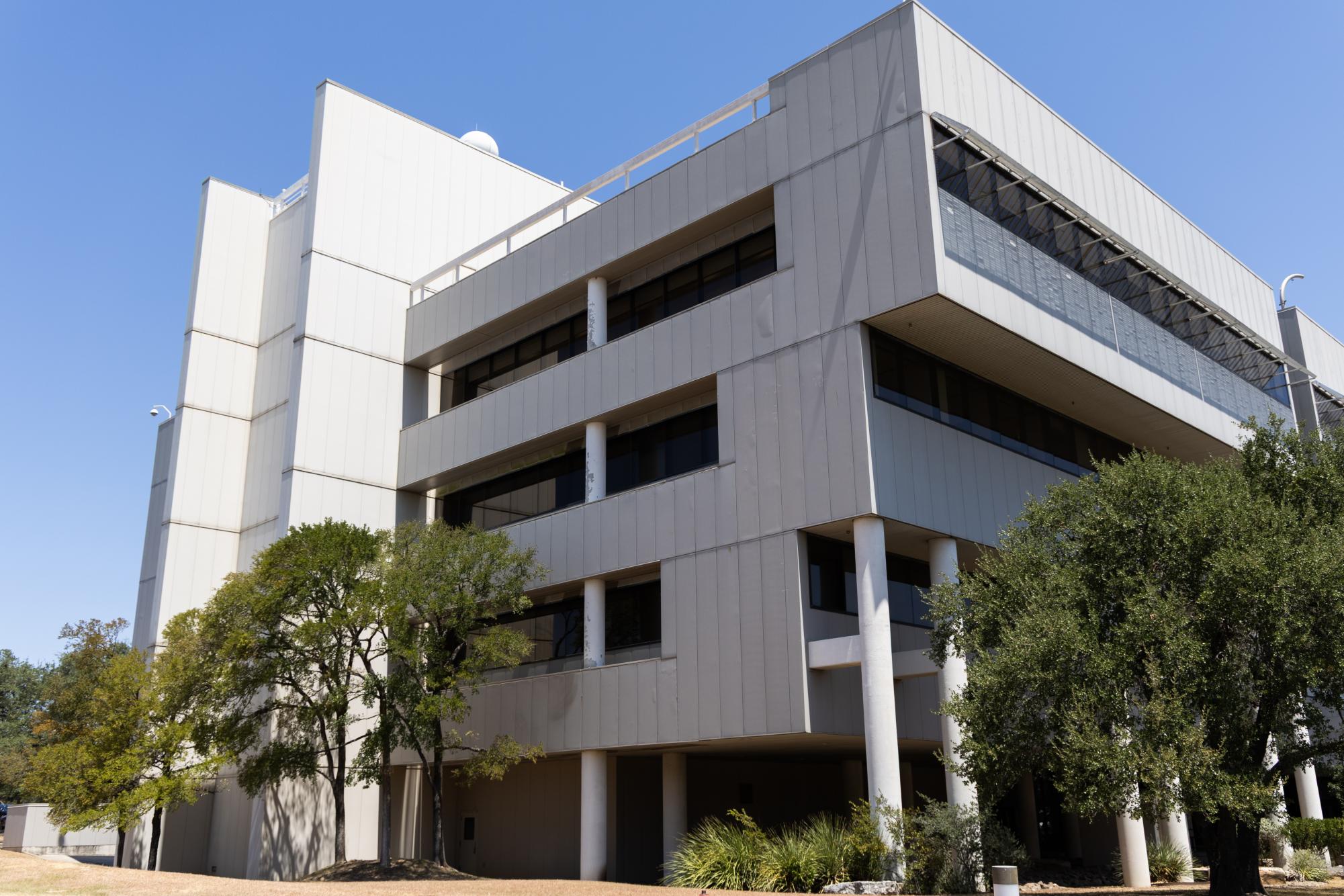
While the center seeks to modernize its approach, its operations at UT remain mostly unchanged for the time being. All of the campus programs started by the UTeach Institute will continue under the National Center. The center will operate out of the West Pickle Research Building, which formerly housed UTeach.
James Álvarez, associate dean for P–20 Education Initiatives in the College of Natural Sciences, said he has followed the creation of the new center with some interest. He said the job requires him to keep tabs on education programs, and he considers the center to be a unique learning opportunity for STEM students and the University.
“I see them as a great partner for thinking about how we can create new initiatives and relationships so that we can be thinking about not only working with teachers, but how we are thinking about curriculum,” Álvarez said.
The Center’s first projects include partnerships with Central Connecticut State, the Central University of New York and the “Get the Facts Out” Initiative. Hughes said she hopes the center can build on the foundation UTeach provided.
“There is not another organization that we know of in the country that is actually working to develop solutions, interventions, programs and then support implementation of those programs to build (STEM education) capacity across the country,” she said.
