

SOStainabilityWeekly
Edited by Oke Epia, E-mail: sostainability01@gmail.com | WhatsApp: +234 8034000706
Spotlight
By Oke Epia
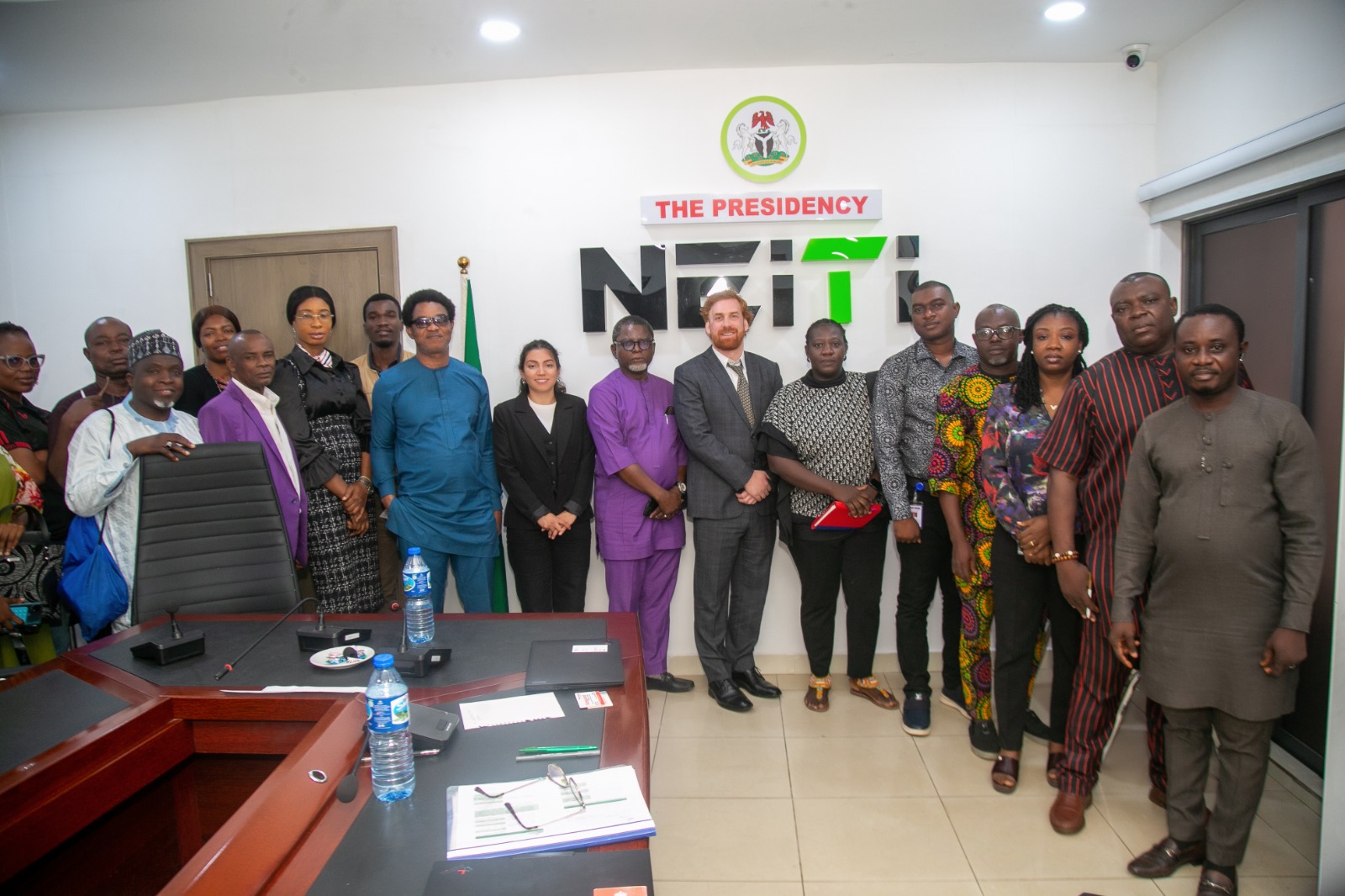
A delegation of assessors from the Extractive Industries Transparency Initiative (EITI), the world’s established extractive governance watchdog, visited Nigeria last week. The objective was to validate the country’s efforts in complying with global standards guiding the management of natural resources (oil, gas, and solid minerals) that lead to transparent and beneficial outcomes for stakeholders – companies, communities, countries, and the global energy landscape- including efforts to transition from fossil fuels.
A statement from the Nigeria Extractive Industries Transparency Initiative (NEITI) – the country’s subset of the EITI – painted a decent picture of the visit. According to NEITI, Nigeria was commended for its “improved systematic disclosures which have enabled the real-time release of information and data across Nigeria’s extractive sector.” The visiting team also reportedly gave a thumbs-up to stakeholder consultations “which clearly presented Nigeria’s unique context through the high-level engagements, including the executive session with the National Assembly and a public hearing on the NEITI industry reports.” The visitors engaged with state and non-state actors, including the Secretary to the Government of the Federation, Senator George Akume; the Minister of State for Budget and Economic Planning, Doris Uzoka-Anite; the Group Chief Executive Officer of the Nigerian National Petroleum Corporation (NNPC) Limited, Mr. Bayo Ojulari, relevant National Assembly Committees, especially the Senate Committee on Public Accounts, anti-corruption agencies, and members of civil society. It is instructive that the team also met with representatives of host communities from Rivers and Zamfara States. Aside from these optics, it is impossible for the assessors not to have noticed the mixed messaging from NNPCL and the Senate, which have feuded and buck-passed responsibilities and accountabilities over trillions of naira allegedly unaccounted for by the state-owned company. The team must have learnt from their visit that disclosure is not tantamount to accountability. They must have seen that the former can serve as an effective decoy from the latter. They must have also learnt that the legislature in Nigeria has been unable to hold the NNPCL to account the way a vibrant, formidable, and reform-driven parliament performs oversight responsibilities elsewhere in the world. These are the real lessons of the visit that the NEITI statement cannot convey, and understandably so in the context of Nigeria’s slippery political economy.
Kudos must, however, be given to NEITI – the national secretariat which supports the triumvirate architecture of government, civil society, and companies that must co-align (even if reluctantly) to drive the EITI process in-country – for successfully hosting the visitors from Norway, headquarters of the EITI. It remains to be seen if the confidence conveyed in the statement will be sustained by the assessors, who are expected to release their report in a couple of weeks.
Flakes and Flaks
The Senate, Seplat, and Probe Ultimatums
Nigerians are used to reading reports of ultimatums and threats of sanctions from the National Assembly. Such reporting is often weaponised to whip recalcitrant government ministries, departments, and agencies into line. Some private sector entities have also been in the bull’s eye. However, little to no follow-up media reporting happens after the expiration of the deadlines. The matter fades into the sensational coverage of the next public scandal.
Last week, the Public Accounts Committee of the Senate issued a 48-hour ultimatum to some oil and gas firms for failing to appear before it and answer questions raised in the 2021, 2022 and 2023 audit reports of the Nigeria Extractive Industries Transparency Initiative (NEITI). The companies are Seplat Energy, Network E&P Nigeria Limited, All Grace Energy Limited, and Aradel Energy Limited. The committee brandished its powers under sections 88 and 89 of the 1999 Constitution, which “empowers the National Assembly to invite anybody or agency for explanations on issues raised against them,” according to Sen. Abdul Ningi. The legislators ruled that it would consider invoking sanctions if the firms ignore the summons any further. This page would like to ask the senators if 48 hours means the same to them as we all understand it to mean. Or was the meeting held behind closed doors? For the firms, especially Seplat, a globally consequential firm listed on the London Stock Exchange and which likes to brandish sustainability credentials, this development does not bode well. SOStainability will keep an eye on this development.
