

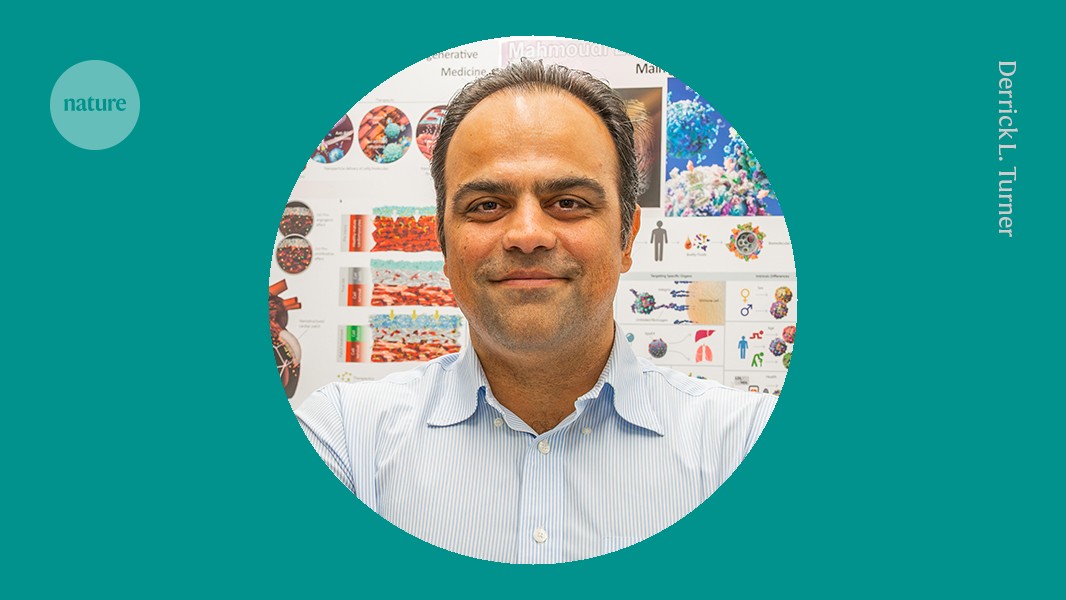
In 2019, after quitting a faculty job in response to bullying, I co-founded the Academic Parity Movement with environmental activist Saya Ameli Hajebi. We built the organization to give researchers somewhere to turn when their own institutions did not listen to or, worse, betrayed them.
Seven years and several thousand case reports later, I have reached an unexpected conclusion: academic bullying is no longer just a problem of institutions ignoring people who are affected by it. Increasingly, it is a problem of institutions overreacting to allegations.
I’ve been wrongly accused of bullying — what do I do?
Universities operate in fear of public exposure of staff misconduct. A single viral social-media post naming an alleged bully can undo a reputation built over decades, and administrators know it. So, when a complaint arrives, the instinct is not to investigate but to act visibly and fast. The institution places the accused faculty member on leave, closes their laboratory and cuts off their students and funding — often before it has examined the evidence closely.
When investigations clear the accused academic, which happens more often than institutions would like to admit, there is rarely compensation, public correction or any attempt to repair the professional and psychological damage done. I have watched this pattern play out repeatedly.
Faculty members who bring in the most money from grants or industry are the most likely to have a bullying complaint dismissed. Administrators have too much invested in them.
Early-career researchers and faculty members with less funding bear the brunt of the crackdown instead, sometimes for complaints as minor as firmly enforcing lab-safety rules or publication standards. This dynamic, that of a group member using the reporting system against their supervisor, who is just doing their job, is an example of upward bullying.
Underpaid and overworked: researchers abroad fall prey to bullying
Conscientious mentors learn to fear supervision: telling a student that they need to repeat their experiment or that a manuscript is not ready becomes a career risk. And faculty members who are wrongly accused and publicly sidelined, even briefly, often describe the experience as one of the most psychologically damaging periods of their careers, regardless of the eventual outcome.
None of this makes science safer. It makes good mentorship rarer and pushes capable people out of the profession.
Worse, this approach enables further bullying. Serial bullies keep operating. And those targeted by bullying who don’t get the chance to process what happened to them are likely to reproduce the behaviour once in a senior position.
The harm of being bullied affects students, collaborators and family, too. In health care and biomedicine, my own field, this can put people at risk, because chronically stressed clinicians are more prone to fatigue and making errors.
