

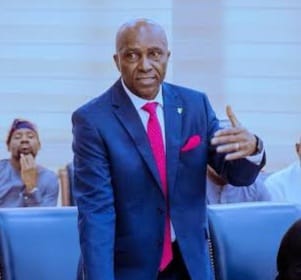
Eromosele Abiodun
The Tax Ombud/Chief Executive of the Office of the Tax Ombud, Dr. John Nwabueze, has reiterated the Office’s commitment to promoting fairness and transparency within Nigeria’s tax system as it continues to mediate between taxpayers and revenue authorities.
Speaking at the third-quarter Breakfast Meeting with business editors in Lagos, Dr. Nwabueze highlighted the Office’s major milestones and outlined its vision for the future.
Highlighting the progress made so far, he said the Office has significantly improved taxpayers’ access to its services through the launch of a digital complaints portal, a case management system, a toll-free call centre, and SMS callback services. According to him, these innovations have made it easier for individuals and businesses to file complaints and obtain timely resolutions.
According to him: “Within three months, the Office received over 20 genuine complaints, most of them involving state revenue services. Of these, eight have been successfully resolved, all within the statutory 14-day resolution period, with provision for an additional seven days where necessary.
“The Office has expanded capacity of its skilled accountants and legal experts to handle complex tax matters, including disputes relating to digital asset taxation, should such cases arise. We are also enhancing accessibility at the grassroots through plans to establish offices across all six geopolitical zones.”
Nwabueze further disclosed that the Office has intensified engagement with professional bodies, the media, revenue authorities, and other stakeholders, while also planning a nationwide public sensitisation campaign to address persistent issues such as multiple taxation.
Speaking on efforts to address systemic issues, he stressed that multiple taxation, particularly at the state and local government levels, is receiving the attention of the Federal Government. He commended His Excellency, President Bola Ahmed Tinubu, GCFR, for establishing an independent tax ombudsman institution to strengthen voluntary tax compliance and build public trust in Nigeria’s tax administration.
“Multiple taxation is an endemic issue that we are determined to address by engaging all relevant stakeholders, including the Joint Revenue Board, state governments, and local government authorities. Through collaboration and policy engagement, we are working towards sustainable solutions,” he stated.
