

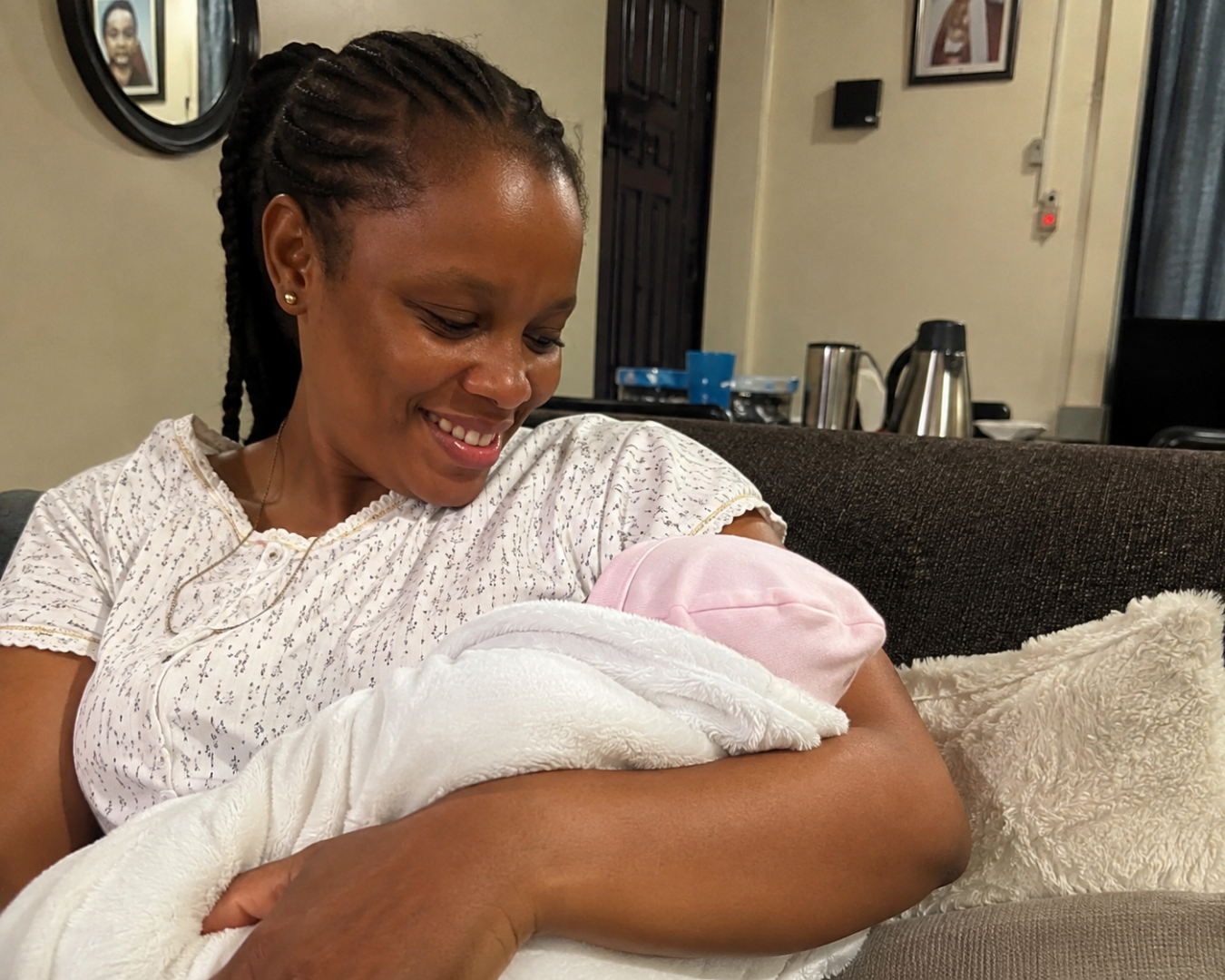
Postpartum recovery is often overshadowed by labour and childbirth, yet the period immediately after delivery is critical to the health and survival of both mother and baby.
According to the World Health Organisation (WHO), the first six weeks after childbirth are a critical period for the survival and wellbeing of both mothers and newborns, as well as for supporting the baby’s healthy development and the mother’s physical and mental recovery.
The WHO also recommends that women and newborns receive information, reassurance and support from health workers throughout the postnatal period.
Speaking with PT Health Watch, a retired midwife, Mary Augustine, said the weeks following childbirth are as important as labour and delivery in preventing complications and supporting the physical and mental wellbeing of mothers and their newborns.
She stressed the need for health workers to provide every new mother with practical guidance on caring for herself and her baby before discharge from the hospital.

Essential care before discharge
Mrs Augustine said mothers should be taught how to breastfeed correctly, noting that proper positioning and attachment are important for effective feeding.
She also stressed the importance of proper umbilical cord care, explaining that keeping the cord clean and dry can help prevent infections.
According to her, mothers should also be taught how to bathe their babies safely, recognise when nappies need to be changed and keep the newborn’s airway clear to reduce the risk of breathing difficulties.
She said these basic care practices are essential for protecting newborns from preventable illnesses and discomfort.
Preventable complications
Mrs Augustine noted that many women remain silent about the challenges they face after childbirth because they believe such experiences are normal.
She explained that untreated breast pain, for instance, may discourage mothers from breastfeeding, while other complications can develop within weeks after delivery if they do not receive timely care.
These include postpartum haemorrhage, puerperal sepsis, hypertension, anaemia, abdominal pain and postpartum psychosis.
She also drew attention to perineal wound dehiscence, a condition in which an episiotomy wound reopens after childbirth instead of healing properly.
The condition may present with symptoms such as persistent pain, pus, foul smelling discharge, unexpected bleeding or difficulty controlling gas or stool when deeper muscles are affected.
“If a woman is bleeding, she can give up. We see them coming back emaciated and unkempt because there is no follow up. Sometimes their bodies smell and infection sets in,” Mrs Augustine said.
She urged mothers to attend postnatal clinics even when they feel healthy.
Why postnatal follow up matters
Mrs Augustine said the postpartum period requires continuous medical attention because serious complications can develop after a mother has been discharged from the hospital.
According to her, postnatal follow up helps health workers detect and manage excessive bleeding, infections, poor nutrition, high blood pressure and postpartum depression before they become life threatening.
She added that strengthening postpartum care and ensuring mothers receive adequate education before discharge would improve maternal and newborn health outcomes.
“Postpartum care should be treated with the same urgency as labour and delivery,” she said.
Discover more from Premium Times Nigeria
Subscribe to get the latest posts sent to your email.
