

Unlock the Editor’s Digest for free
Roula Khalaf, Editor of the FT, selects her favourite stories in this weekly newsletter.
Oracle could face more than $7bn in collateral requirements for a massive data centre in Wisconsin, after the state’s power regulator tightened credit requirements to protect households from rising electricity costs.
The Public Service Commission of Wisconsin, which is responsible for scrutinising and setting the prices the state’s utilities can charge, has declined to reconsider rules it imposed on utility We Energies, which would require Oracle to provide a $7bn letter of security at a yearly cost of more than $100mn per year.
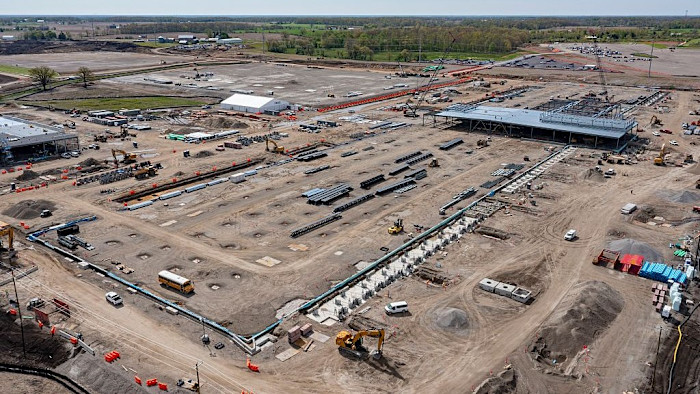
The nearly one-gigawatt data centre located in Port Washington, Wisconsin, is a crucial investment by Oracle to fulfil its $300bn contract with OpenAI to provide computing power. The increased costs to secure local power add to the challenges facing the tech giant’s AI ambition, including mounting debt and rapid cash burn.
Local utility We Energies’ “very large customer” tariff requires any data centre developer with an S&P rating below single A minus to post collateral in the form of cash or a letter of credit. The size of the collateral is determined by the value of any power plants and transmission lines built to service the data centre.
Oracle was rated triple B at the time — two notches below the threshold.
Oracle asked a county judge to strike down the rule last month and allow We Energies to waive the requirement, saying the rules risk “imposing these onerous financing costs upon Oracle and potentially discouraging future investment in Wisconsin”.
A representative from the regulator on Monday told the FT it had “declined to take action on the petition”.
Oracle told the FT it was hopeful the commission would reconsider its position after taking into account the job opportunities and economic growth created by the $15bn project.
Oracle said it remains “committed to providing the financial guarantees needed to ensure there is no risk to Wisconsin ratepayers”.
The decision represents an initial setback for Oracle, which is expected to fight in court to strike down the rule. It also highlights state regulators’ increasing concerns that the new wave of large-scale AI infrastructure projects could become stranded assets if they cannot show strong financial backing.
Scrutiny around Oracle’s creditworthiness intensified this month after S&P downgraded the company’s credit rating to triple B minus, just one notch above junk status, citing an uncertain path to profitability amid heavy AI spending.
Oracle’s deteriorating credit profile could also hit the tens of billions dollars of construction debt underwritten by Wall Street banks to fund its data centre build-out. Lenders have been exploring new ways to offload risks tied to a deluge of data centre borrowing, the FT previously reported.
As anxiety grows that electricity customers will foot the bill for new power plants and transmission lines built for data centres, 24 states have approved “large load tariffs”, which set out pricing and terms for data centres and other large industrial customers.
The tariffs typically commit data centres to a minimum contract term, exit fees and providing collateral.
Large tech companies and manufacturers have argued the tariffs are discriminatory and impose unduly high costs on them.
The Milwaukee-based utility had originally proposed exempting companies rated triple B or above from the more stringent standards. But in May the regulator intervened by tightening its creditworthiness rules.
“Tariffs should be designed such that existing Wisconsin customers do not subsidise data centres, now or in the future,” it said.
We Energies did not respond to a request for comment.
