

“A university rises or falls on the quality of its leadership.”
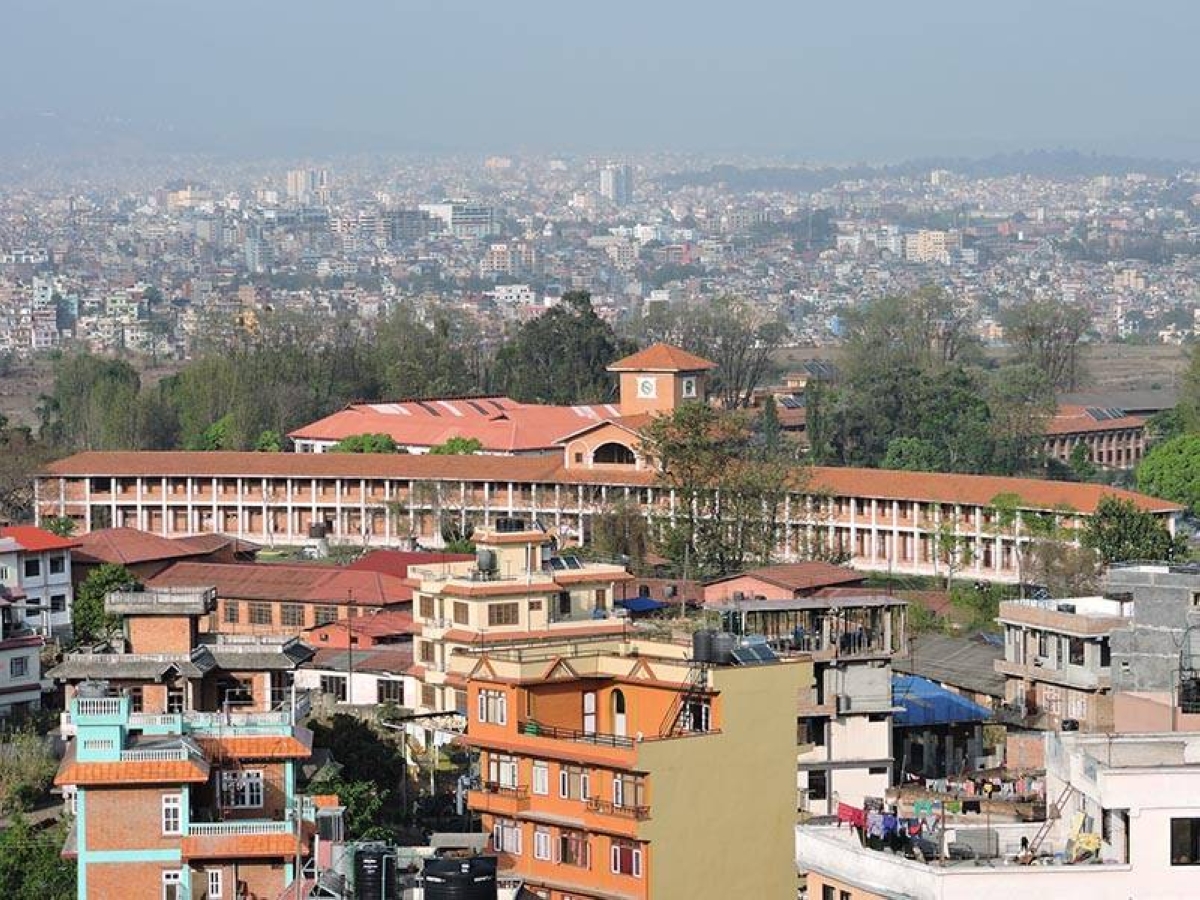
The appointment of a new Vice Chancellor at Tribhuvan University (TU) is far more than a routine administrative change. It is a defining moment for Nepal’s higher education system and a rare opportunity to chart a new course for the nation’s oldest, largest, and most influential university.
Universities are not merely degree-awarding institutions. They are centres of knowledge creation, research, innovation, critical thinking, leadership development, and social transformation. The strength of a nation depends largely on the quality of education and human capital nurtured within its universities. Strong universities produce not only skilled professionals but also responsible citizens, ethical leaders, and innovative thinkers capable of driving national progress.
Despite its historic legacy and enormous potential, TU continues to struggle with challenges that have gradually weakened public confidence. Political interference in academic and administrative affairs, declining academic standards, delayed examinations and results, outdated curricula, weak accountability, inadequate research culture, inefficient administration, and appointments influenced by patronage rather than merit have all taken a heavy toll on the institution. The growing exodus of Nepali students to foreign universities is perhaps the clearest indication that many no longer view domestic higher education as capable of meeting their aspirations.
At this critical juncture, TU requires far more than an administrator. It needs a visionary academic leader with the courage to challenge outdated practices, dismantle entrenched interests, and think beyond immediate problems. The ideal Vice Chancellor must strengthen research and innovation, embrace technology, foster international collaboration, promote meritocracy, and restore trust among students, faculty, staff, alumni, and society at large.
Most importantly, the office must remain independent of political influence and firmly committed to institutional excellence. A Vice Chancellor should not be remembered merely for occupying a prestigious position but for transforming an institution. As the saying goes, “A visionary Vice Chancellor sees beyond the next semester to the next generation.”
However, leadership alone cannot solve TU’s problems. Sustainable transformation requires deep systemic reform. The university’s greatest challenge is not a lack of resources but the burden of outdated systems, resistance to change, and a culture that too often prioritises personal interests over institutional progress.
Meaningful reform is impossible without genuine institutional autonomy. Around the world, successful universities flourish because governments empower them rather than control them. University autonomy means the freedom to make academic, administrative, and financial decisions without undue political interference. At the same time, autonomy must be accompanied by accountability. Universities should have the freedom to innovate, but they must also be held responsible for their performance and outcomes.
The lesson is simple: autonomy without accountability breeds complacency, while accountability without autonomy breeds mediocrity.
The government’s responsibility is, therefore, not to micromanage universities but to create an enabling environment in which they can thrive. This includes ensuring institutional autonomy, promoting merit-based leadership, encouraging research and innovation, strengthening quality assurance mechanisms, and providing adequate support and policy stability.
Universities create knowledge; governments create the conditions that allow knowledge to flourish. In higher education, government should act as a referee, not a player.
The need for reform extends beyond governance. The world has changed dramatically, yet many universities continue to operate with yesterday’s assumptions. Higher education today must move from memorisation to critical thinking, from teaching to learning, from degrees to competencies, and from theory to application.
In an era shaped by artificial intelligence, automation, and rapid technological change, universities must prepare students not merely for today’s jobs but for tomorrow’s challenges. They must equip learners with the ability to learn, unlearn, and relearn throughout their lives. As Maria Montessori wisely observed, “If we teach today’s students as we taught yesterday’s, we rob them of tomorrow.”
A future-ready university must embrace digital learning, research, innovation, entrepreneurship, industry-academia collaboration, and outcome-based education while remaining rooted in local realities. Curricula should be continuously updated to reflect emerging knowledge and evolving societal needs. A curriculum should serve as a compass for the future, not a museum of the past.
Equally important is the development of faculty and staff. No university can rise above the quality of its teachers. Continuous professional development, research opportunities, leadership training, and performance-based incentives must become integral components of institutional culture.
At the same time, higher education must never lose sight of its human purpose. Education is not merely about producing graduates; it is about shaping character and cultivating humanity. True education develops character alongside competence, ethics alongside expertise, and compassion alongside competitiveness. The real value of higher education lies not in the degree earned but in the person transformed.
If TU aspires to become a world-class institution, its transformation must rest on five fundamental pillars: visionary leadership, institutional autonomy, academic excellence, research and innovation, and meaningful stakeholder collaboration. Strong partnerships among government, academia, industry, communities, alumni, and international institutions are essential to creating a dynamic ecosystem of learning and development.
The new Vice Chancellor inherits not only Nepal’s largest university but also one of the nation’s most important responsibilities. The challenges are immense, but so are the opportunities. TU does not need another caretaker of the status quo. It needs a transformational leader who can inspire excellence, strengthen accountability, promote innovation, foster teamwork, restore public confidence, and rebuild students’ trust in the institution.
The future of TU – and, in many ways, the future of Nepal – depends on the quality of its higher education. Nations move in the direction of their universities, and universities move in the direction of their leadership. When visionary leadership is matched by institutional autonomy, academic freedom, accountability, and governmental support, universities flourish, talent thrives, and nations prosper.
As Nepal welcomes a new Vice Chancellor, there is reason for hope. If the new leadership can articulate a clear vision, lead by example, empower capable teams, embrace change, and encourage innovation with integrity, Tribhuvan University can reclaim its lost prestige and once again become a beacon of academic excellence.
The road ahead will not be easy, but history reminds us that institutions can be renewed when leadership and purpose align. May this new chapter mark the beginning of TU’s renaissance – one defined by excellence, integrity, innovation, and global relevance.
Gnawali, PhD is the Principal of Universal College, Maitidevi, Kathmandu
